Введение
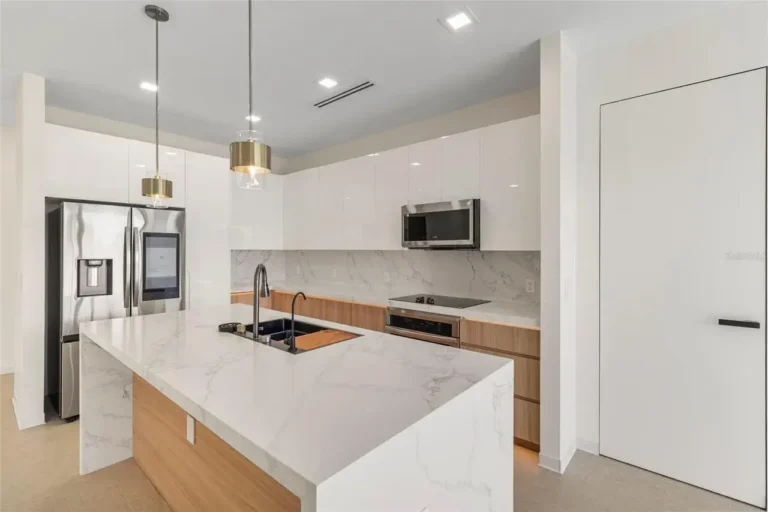
A complete cabinet RFQ helps developers, contractors, and procurement managers receive accurate quotations from manufacturers.
Missing dimensions, unclear material specifications, or incomplete delivery requirements can lead to unexpected costs and project delays.
Эта Cabinet RFQ Checklist covers 12 essential details to include before requesting quotes for мебель на заказ или bulk residential projects.
What Is a Cabinet RFQ?
A cabinet RFQ (Request for Quotation) is a document buyers send to manufacturers to obtain pricing for specified cabinet products.
It outlines the project scope, quantities, technical requirements, delivery schedule, and commercial terms.
An RFQ differs from an RFI (Request for Information), which gathers supplier information. An RFP (Request for Proposal) requests broader solutions, methodologies, and pricing.
For accurate price comparisons, buyers should send the same RFQ specifications to every shortlisted supplier.
Cabinet RFQ Checklist: 12 Essential Details to Include
1. Project Overview and Scope of Work
Identify the project type, location, building size, and purchasing responsibilities. Clarify whether the order covers manufacturing, delivery, installation, or all three.
2. Cabinet Types and Required Quantities
List кухонных шкафов, wardrobes, bathroom vanities, and other required units. Include quantities by cabinet type, room, or apartment layout.
3. Architectural Drawings and Cabinet Dimensions
Provide floor plans, elevations, cabinet dimensions, and relevant construction details. Clearly identify drawing revisions and dimensions requiring on-site verification.
4. Cabinet Materials and Construction Specifications
Specify cabinet box materials, panel thicknesses, backing panels, and edge banding. Identify any required material grades or performance specifications.
5. Door Styles, Finishes, and Colors
Define door profiles, surface finishes, colors, and gloss levels. Include finish codes or reference samples to reduce interpretation differences.
6. Hardware and Cabinet Accessories
Specify hinges, drawer slides, handles, and storage accessories. State preferred brands or minimum performance requirements where applicable.
7. Quality Standards and Compliance Requirements
Identify applicable emission limits, safety requirements, and quality standards for the destination market. Request relevant documentation and testing evidence.
8. Samples, Shop Drawings, and Approvals
Clarify requirements for material samples, shop drawings, and prototype cabinets. Establish who approves each submission before production begins.
9. Packaging, Shipping, and Delivery Terms
Specify packaging requirements, delivery destinations, and preferred Incoterms. Clarify whether cabinets should arrive assembled or flat-packed.
10. Manufacturing Lead Time and Project Schedule
Provide the required delivery dates and project milestones. Request separate timelines for drawings, samples, production, and shipment.
11. Installation and After-Sales Responsibilities
Confirm who handles measurements, installation, damaged components, and replacement parts. Define warranty coverage and after-sales responsibilities.
12. Pricing Breakdown and Commercial Terms
Request itemized unit prices, optional costs, freight charges, and payment terms. Specify quotation validity and require suppliers to identify exclusions.
How to Compare Cabinet Manufacturer Quotations

The lowest cabinet quotation does not always offer the best value for a project. Differences in materials, hardware, finishes, and delivery terms can significantly affect overall costs.
When reviewing manufacturer quotations, consider three key factors:
Specification consistency: Ensure suppliers are quoting the same materials, dimensions, and hardware requirements.
Manufacturing and quality: Evaluate production capabilities, quality control, and experience with similar projects.
Project delivery: Review lead times, packaging, installation support, and warranty coverage.
For developers and contractors, choosing a reliable cabinetry manufacturer can help reduce coordination issues, unexpected expenses, and project delays.
Common Mistakes to Avoid When Preparing a Cabinet RFQ
Incomplete RFQ documents can lead to inaccurate pricing, production delays, and unexpected expenses.
Common mistakes include:
Submitting outdated drawings or incomplete dimensions.
Failing to specify cabinet materials, finishes, or hardware.
Providing unclear quantities or delivery schedules.
Overlooking installation and warranty responsibilities.
Comparing quotations without checking exclusions.
Reviewing these details before sending an RFQ helps manufacturers prepare more accurate and consistent quotations.
Заключение
A complete cabinet RFQ is the foundation of accurate quotations and successful project planning.
By clearly defining specifications, quantities, quality requirements, and delivery expectations, buyers can reduce misunderstandings and improve procurement efficiency.
For developers, contractors, and procurement teams, working with an experienced manufacturer is just as important as preparing detailed RFQ documents.
Planning a custom cabinetry project? Контакты Кухня PA to discuss your project requirements and request a tailored quotation.
Frequently Asked Questions About Cabinet RFQs
1. What information does a cabinet manufacturer need for a quotation?
Manufacturers typically need project drawings, cabinet dimensions, quantities, materials, finishes, hardware specifications, and delivery requirements.
2. Can I request a cabinet quote without detailed shop drawings?
Yes. Manufacturers may provide a preliminary estimate using available plans and specifications. Final pricing may change after technical details are confirmed.
3. How many cabinet suppliers should I contact?
Requesting quotations from two or three qualified manufacturers can provide useful comparisons without creating unnecessary procurement work.
4. How long does a custom cabinet quotation take?
The timeline depends on project size, design complexity, and documentation completeness. Confirm the expected quotation schedule with each supplier.
5. What is the difference between an RFQ and a purchase order?
An RFQ requests pricing and commercial terms. A purchase order formally confirms an order under agreed conditions.