When it comes to designing a bathroom, one of the most overlooked elements is the door. Yet, the right bathroom door not only enhances the overall look but also plays a significant role in functionality and privacy. From space-saving sliding doors to stylish barn doors, the variety of options available can sometimes feel overwhelming. In this guide, we’ll explore 8 different types of bathroom doors to help you make an informed choice for your home.
Why Bathroom Doors Matter More Than You Think
Bathroom doors are essential for privacy, safety, and the overall aesthetic of your bathroom. They help keep your personal space private, contribute to your bathroom’s design, and, depending on the material, can also help with insulation and moisture control.
However, bathroom doors often face unique challenges. Bathrooms are high-humidity environments, so choosing the wrong type of door could lead to issues like warping, mold growth, or reduced lifespan. Additionally, bathrooms come in all shapes and sizes, meaning you need to consider space-saving solutions while ensuring privacy and functionality.
8 Main Types of Bathroom Doors for Modern Homes
Let’s break down the most popular types of bathroom doors available today. We’ll explore each one’s advantages and ideal use cases, ensuring you can choose the best option for your needs.
Type 1 – Classic Hinged Bathroom Doors for Everyday Family Use
What Is a Hinged Bathroom Door and How It Works
Hinged bathroom doors are the most traditional and widely used type. They open outward or inward on hinges, offering a simple, reliable option for most bathroom spaces.
Best Use Cases for Hinged Bathroom Doors
Hinged doors work well in large bathrooms where space isn’t an issue. They are commonly used for master bathrooms and guest bathrooms, where space allows for a door to swing freely.
Key Pros and Cons vs Other Types of Bathroom Doors
Pros: Simple design, easy installation, wide range of materials.
Cons: Takes up space when open, can interfere with fixtures.
Recommended Bathroom Door Materials for Hinged Doors
Wooden, MDF, or WPC doors are great choices for hinged doors, as they offer strength, durability, and good insulation.

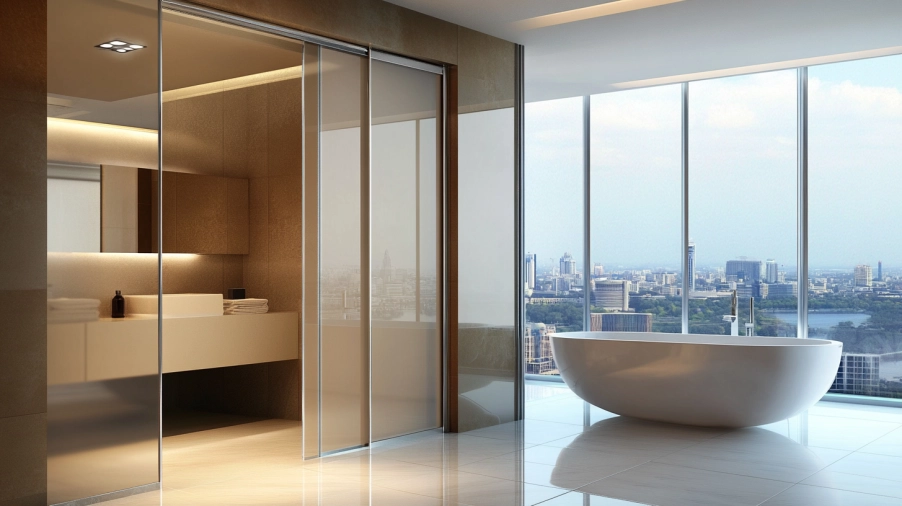
Type 2 – Sliding Bathroom Doors to Free Up Narrow Corridors
How Sliding Bathroom Doors Work
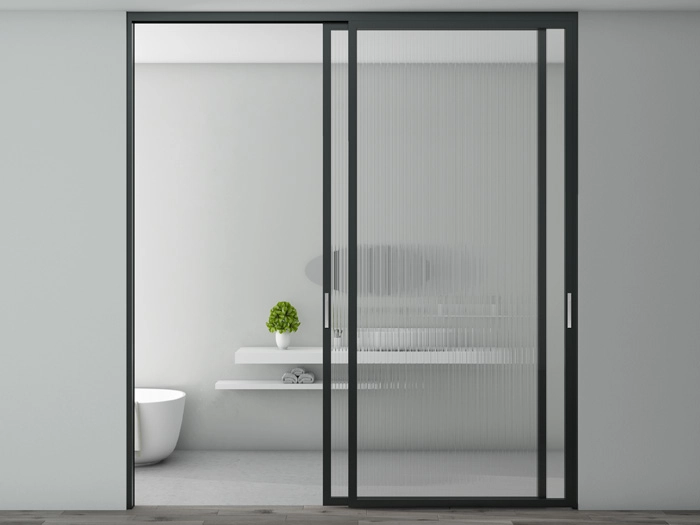
Sliding doors operate by moving along a track, either mounted on the wall or inside the ceiling. This option is ideal for tight spaces where you need to save room.
When Sliding Doors Solve Space Problems – and When They Don’t
Sliding doors are perfect for small bathrooms or en-suite spaces, where a traditional hinged door would take up too much room. However, they can be less effective in very large bathrooms where you might want a more substantial door for privacy.
Privacy, Sound, and Light-Leak Issues
Sliding doors can sometimes leave gaps, affecting privacy and soundproofing. To combat this, look for doors with sealed edges or frosted glass for added privacy.
Best Materials and Hardware Combinations
Glass, PVC, and aluminum are popular materials for sliding doors. These materials are resistant to moisture and provide a sleek, modern look.
Type 3 – Pocket Bathroom Doors That Disappear into the Wall
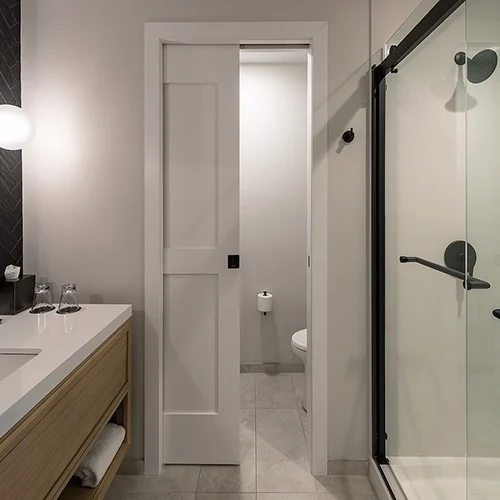
How Pocket Bathroom Doors Work
Pocket doors slide into the wall cavity, disappearing when open. This is an excellent solution for bathrooms with limited space.
Why Pocket Doors Are Perfect for Tiny Bathrooms and Powder Rooms
Because they don’t require additional space to swing open, pocket doors are perfect for extremely small bathrooms or powder rooms.
Hidden Risks: Waterproofing, Pipe Layout, and Repair Access
While pocket doors are great for space-saving, they can be tricky to install. They require a wall cavity, and plumbing or wiring may obstruct the installation.
Situations Where You Should Avoid Pocket Bathroom Doors
Avoid pocket doors if you have a bathroom with heavy plumbing in the walls or if the bathroom’s wall layout is restrictive.
Type 4 – Barn Bathroom Doors with a Stylish Modern Rustic Feel
Why Barn Bathroom Doors Are Popular Online but Tricky in Real Homes
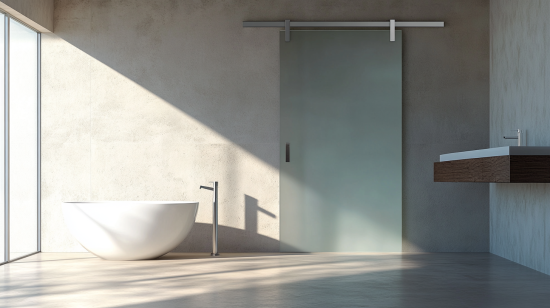
Barn doors have become a trendy design choice for many homeowners. Their rustic charm brings a unique look to bathrooms.
Fixing Typical Barn Door Issues
Barn doors may look good but can have issues with soundproofing and privacy. If you opt for a barn door, ensure it is well-sealed, and consider adding a soft-close mechanism.
Best Locations for Barn Bathroom Doors
Barn doors are great for bathrooms that have a rustic or farmhouse style. They are often used in larger bathrooms where the design is meant to be a focal point.
Moisture-Resistant Finishes and Hardware for Barn Bathroom Doors
Choose barn doors made of water-resistant wood or WPC materials, and ensure the hardware is treated for rust resistance.
Type 5 – Bifold and Accordion Bathroom Doors for Ultra-Small Bathrooms
Bifold Bathroom Doors vs Accordion Bathroom Doors – What’s the Difference?
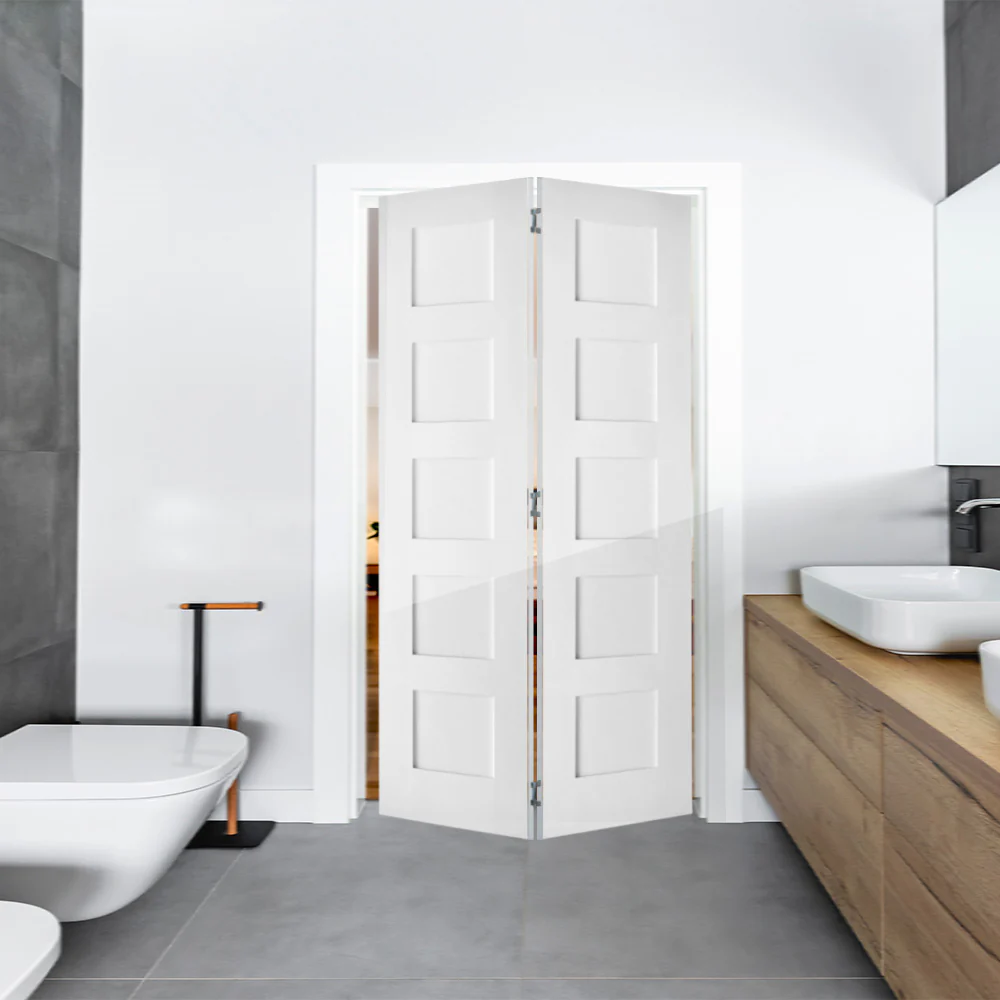
Bifold doors fold in half when opened, while accordion doors consist of multiple panels that slide together. Both are great for small spaces.
Where Bifold and Accordion Doors Shine in Small Bathrooms
Bifold and accordion doors are ideal for small bathrooms or when you need to maximize space without sacrificing privacy.
Durability, Cleaning, and Replacement Costs
These doors are usually made from lightweight materials such as MDF, but they may not be as durable as other types. Regular maintenance is needed to ensure smooth operation.
How to Choose Budget-Friendly but Moisture-Safe Bifold Bathroom Doors
Look for bifold doors made from moisture-resistant materials like PVC or treated MDF to extend their lifespan.
Type 6 – Pivot Bathroom Doors for Luxury Ensuite Bathrooms
How Pivot Bathroom Doors Work
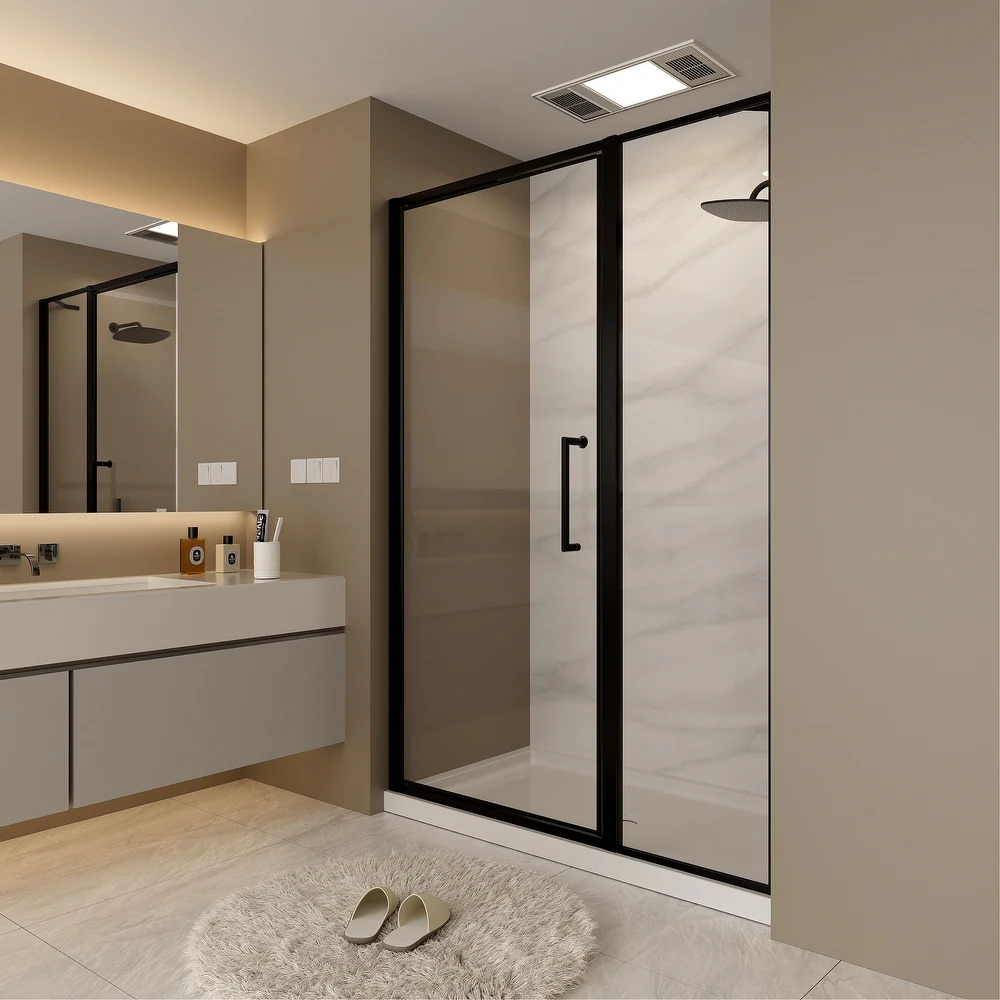
Pivot doors rotate on a central hinge, creating a unique opening style. They are often used in luxury ensuite bathrooms and larger spaces.
Why Pivot Doors Work Well in Modern, High-End Bathroom Door Designs
Pivot doors are perfect for modern, luxury designs. They provide a sleek, minimalist look and open with ease, offering a touch of elegance to any bathroom.
Water Splashes, Thresholds, and Slip Safety Considerations
Pivot doors can sometimes create a splash problem in shower areas. Be sure to choose water-resistant seals and install a threshold to contain water.
Best Glass and Frame Combinations for Pivot Bathroom Doors
For high-end pivot doors, opt for tempered glass and high-quality frames made from stainless steel or aluminum to ensure durability and aesthetic appeal.
Type 7 – Glass and Frosted Bathroom Doors for Light-Filled Spaces
Full-Glass vs Framed Glass Bathroom Doors – Pros and Cons
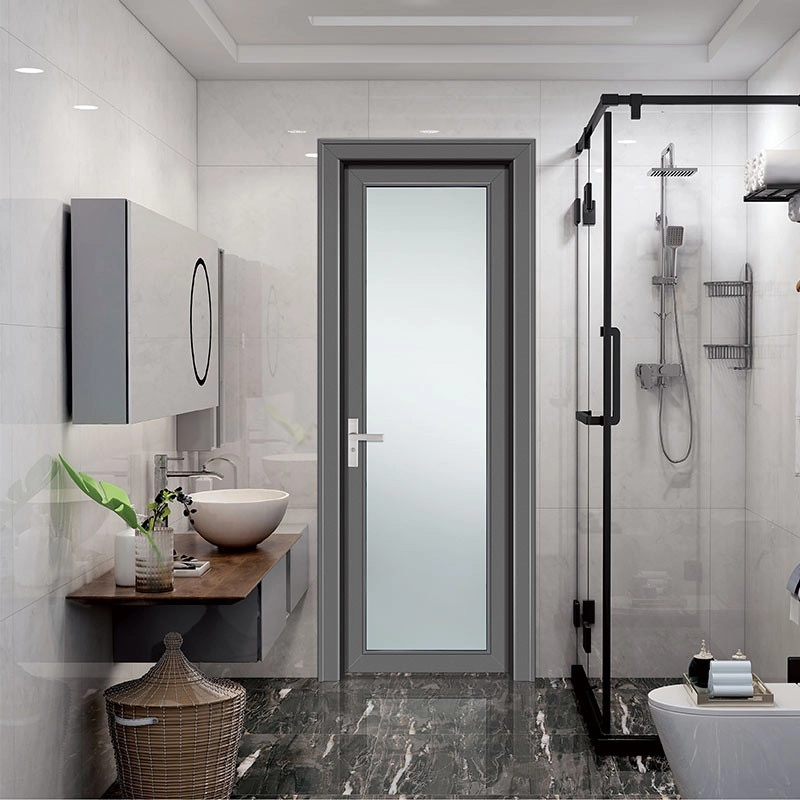
Full-glass doors allow more light into the bathroom, while framed glass doors offer more privacy and are better for smaller spaces.
Frosted Bathroom Doors Patterns and Privacy Levels Explained
Frosted glass doors are perfect for those who want natural light but still need privacy. You can choose from a range of patterns, including clear, etched, and frosted.
Where Glass Bathroom Doors Work Best
Glass doors are perfect for spaces where you want a bright, open feel, such as master bathrooms or those with good natural light.
Cleaning, Safety Glass Standards, and Simple Maintenance Tips
Glass doors require regular cleaning to maintain their aesthetic. Opt for tempered glass for added safety and use non-abrasive cleaners.
Type 8 – Louvered and Ventilated Bathroom Doors for Damp Areas
What Louvered Bathroom Doors Are and How They Improve Ventilation
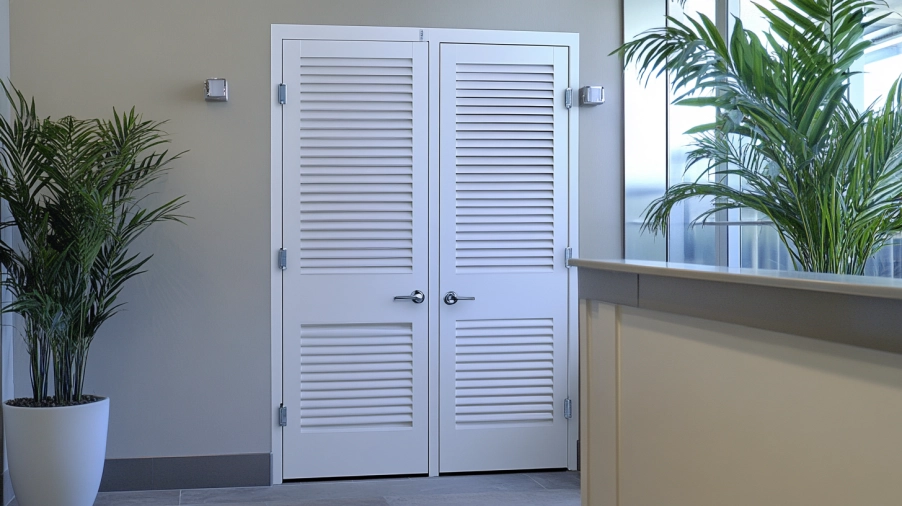
Louvered doors have slats that allow for better air circulation. This makes them ideal for bathrooms prone to high humidity.
Balancing Airflow and Privacy in Small Bathrooms
Louvered doors allow for ventilation while maintaining privacy, making them a great option for powder rooms or shared bathrooms.
Best Materials and Finishes for Louvered Bathroom Doors in Humid Climates
Opt for moisture-resistant materials such as aluminum or treated wood to ensure the longevity of louvered doors in humid environments.
Alternative Ventilation Ideas if You Don’t Like Louvered Bathroom Doors
If you don’t want louvered doors, consider installing an exhaust fan or using windows to improve airflow.
Choosing the right material for your bathroom door is crucial in ensuring its longevity and performance. Some materials, like wood and MDF, are prone to moisture damage, while others like PVC and aluminum are better suited for wet environments.
FAQs
Sliding or pocket doors are ideal for small spaces as they save room and provide easy access.
PVC, WPC, and aluminum are the best choices for durability and water resistance.
Barn doors can work for privacy if sealed properly, but they are not as soundproof as solid doors.