When it comes to cabinets, the hinges are often overlooked. But these small, functional parts can have a big impact on how smoothly your doors open and close, how long they last, and even the overall look of your space. Whether you’re designing a new kitchen, renovating a bathroom, or upgrading custom furniture, choosing the right cabinet hinge is crucial.
In this guide, we’ll walk you through the most common types of cabinet hinges, explain their pros and cons, and help you select the right hinge for your needs. By the end of this article, you’ll know exactly which hinge is best for your cabinet type, door style, and functionality requirements.
Why Choosing the Right Cabinet Hinge Matters
Choosing the right cabinet hinge isn’t just about function—it’s also about aesthetics and longevity. A good hinge ensures your cabinet doors open and close smoothly, remain aligned over time, and match your home’s interior design style.
Without the right hinge, you could face issues such as:
Doors that don’t close properly
Premature wear and tear
Annoying squeaks or misalignments
An out-of-place look in your kitchen, bathroom, or custom furniture
Selecting the right hinge might seem small, but it’s a key factor in achieving both practical functionality and a polished finish for your cabinets.
Cabinet Hinges 101: What You Need to Know
Before diving into the types of hinges, it’s important to understand the basic mechanics. A cabinet hinge is made up of two main parts:
The hinge leaf: The part that attaches to the cabinet and door.
The pin: This allows the hinge to pivot, which lets the door swing open and closed.
There are two major hinge styles:
Traditional Hinges: Often visible, these are a classic option.
Modern Hinges: These are typically concealed and are known for their sleek, minimalist appearance.
The hinge style you choose depends on the type of cabinet (frame vs. frameless) and the style of your door (inset, overlay, etc.).
Types of Cabinet Hinges Explained
Here’s a deeper dive into the many kinds of cabinet hinges commonly used in kitchen cabinets, bathroom vanities, wardrobes, and custom cabinetry. I’ll explain not only what they are but also their ideal use cases, strengths, and typical trade‑offs.
Butt Hinges
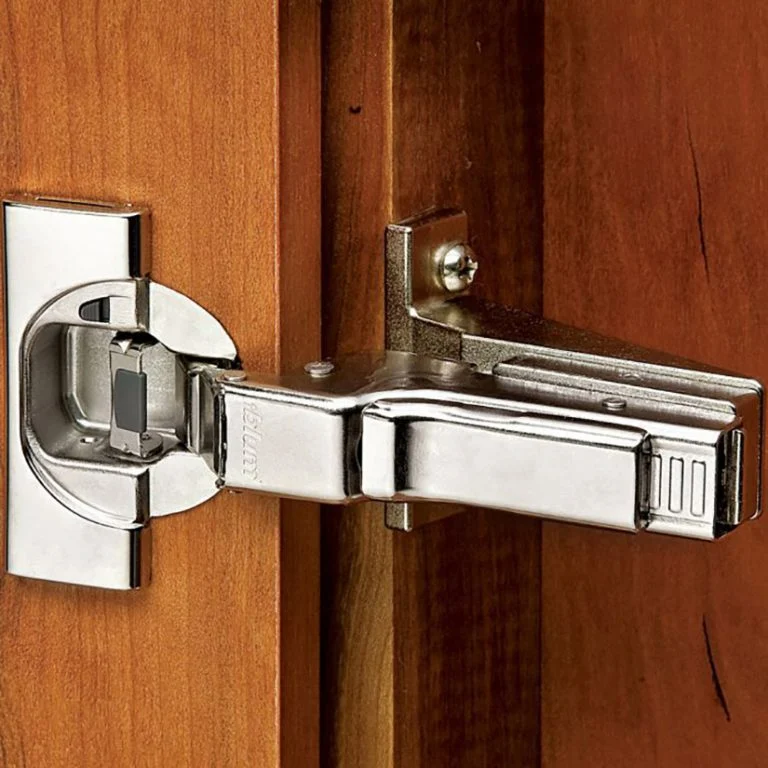
Structure & Appearance — Butt hinges are made up of two metal leaves and a central pivot pin. One leaf attaches to the cabinet frame (face-frame), and the other attaches to the door. The hinge is visible when the door is closed.
Best Use — Traditional, rustic, or farmhouse-style cabinets, as well as heavier or thicker cabinet doors and frames.
Pros
Simple, affordable, and easy to install.
Strong and suitable for heavy doors or large cabinets.
Ideal for vintage or classic designs that expose the hinges.
Cons
Exposed hinges may not suit modern, minimalist, or concealed-door designs.
Less flexible for frameless or overlay doors.
European (Concealed) Hinges
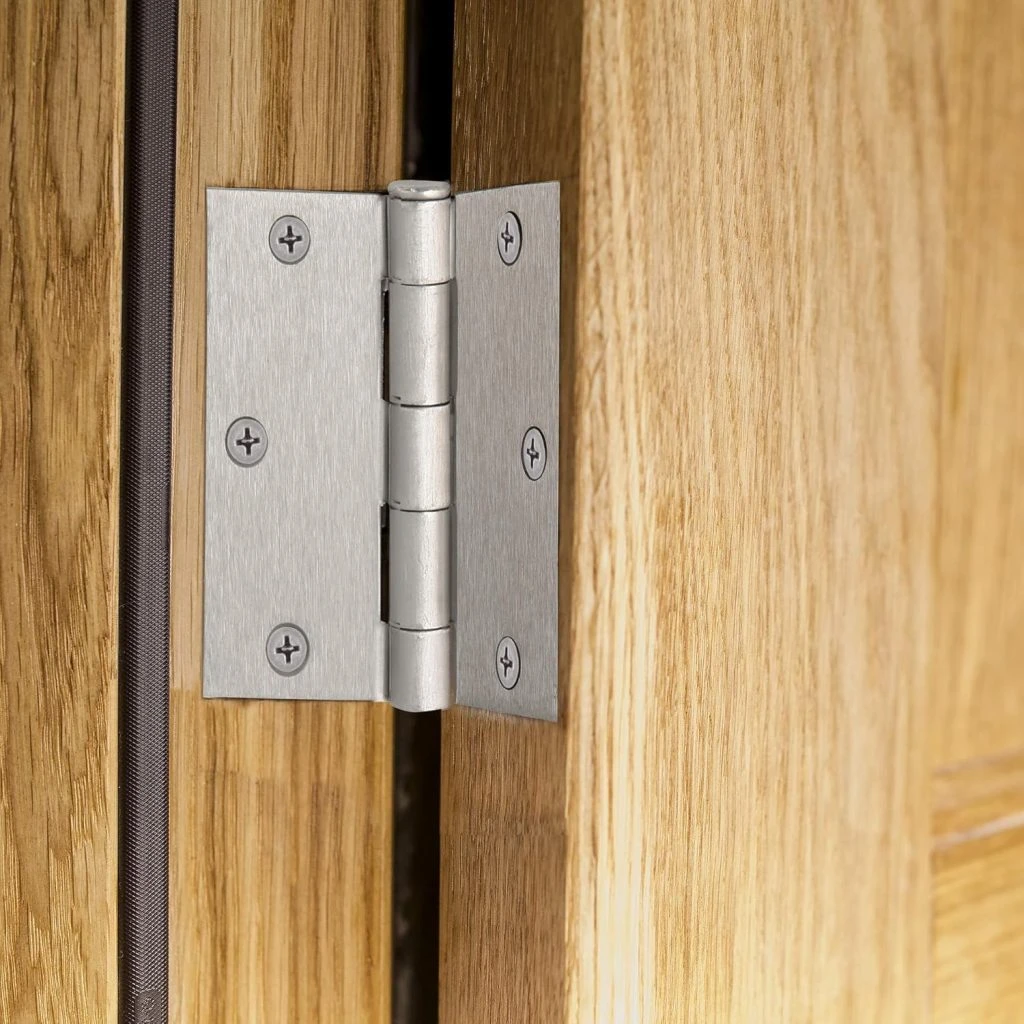
Structure & Appearance — European hinges (also known as concealed hinges) are installed inside the cabinet door and frame, hidden when the door is closed. They offer a clean, sleek look with no visible hardware.
Best Use — Modern kitchens, bathrooms, and custom cabinetry, especially in frameless cabinets.
Pros
Clean, minimalist look with no exposed hardware.
Many European hinges feature three-way adjustability (height, depth, side-to-side), allowing for precise door alignment even after installation.
Often paired with soft-close or self-closing features, improving the user experience and extending door life.
Cons
Requires precise installation and drilling (cup hole) for proper function.
Slightly more expensive and complicated compared to traditional hinges.
Best For — Modern kitchens, custom furniture, high-end renovations, or minimalist spaces.
Inset Hinges
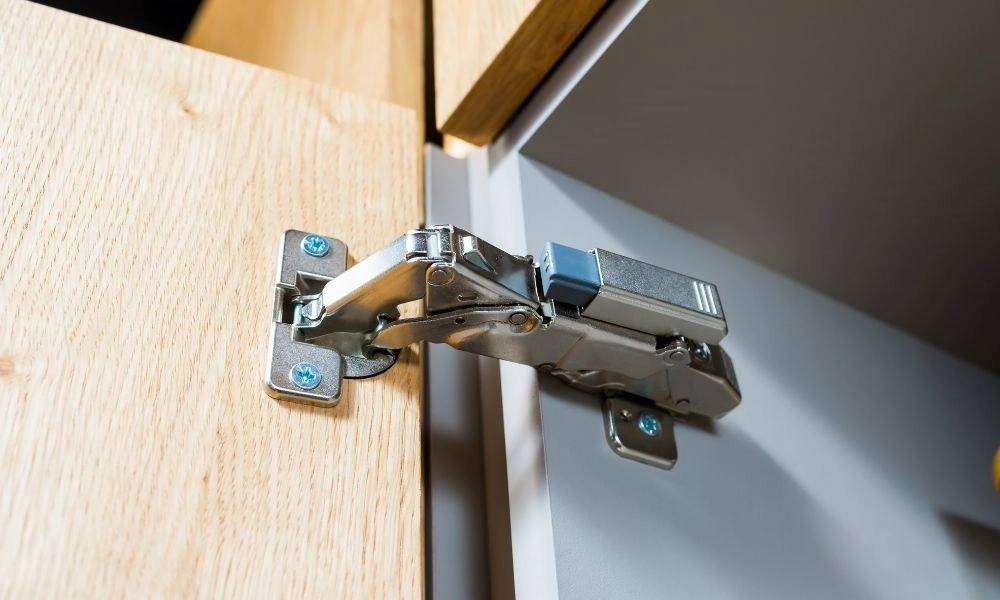
Structure & Appearance — Inset hinges are used for doors that fit flush inside the cabinet frame, meaning the door sits inside the frame when closed. The hinges can either be exposed or concealed depending on the design.
Best Use — High-end, custom cabinetry and traditional or vintage-style designs.
Pros
Provides a refined, custom look where the door sits flush with the frame.
Ideal for precise, high-quality cabinetry and when an elegant, detailed finish is needed.
Cons
Installation is more complex and requires accurate measurements and alignment.
Can be costly and requires skilled craftsmanship.
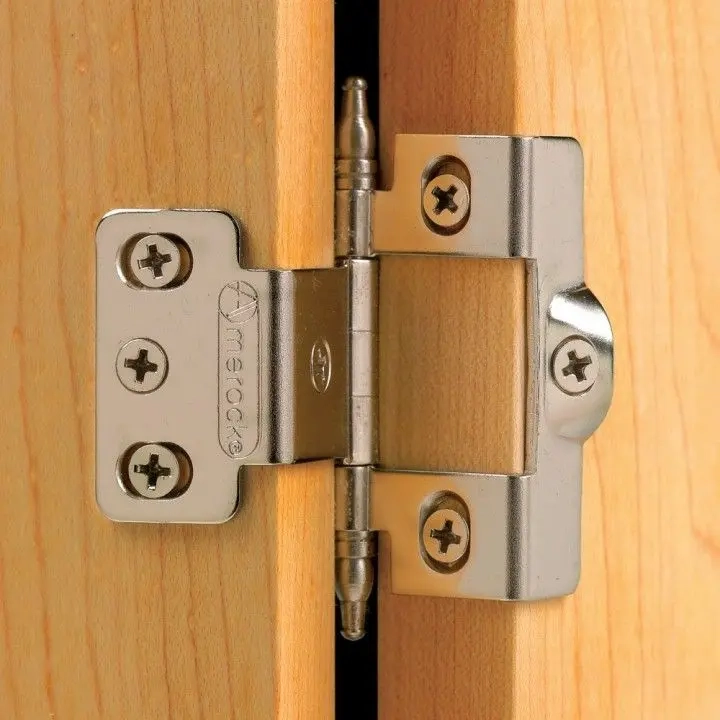
Overlay Hinges (Full-Overlay / Partial-Overlay)
Concept — Overlay hinges are used when the cabinet door overlaps the cabinet frame. Full-overlay doors cover the entire frame, while partial-overlay doors only partially cover it, leaving a small gap between the doors.
Best Use — Commonly used in modern cabinetry, particularly frameless or full-overlay cabinets.
Pros
Clean, unified look with doors that cover most of the frame.
Allows for a higher utilization of cabinet space, as the doors completely or partially cover the opening.
Easier installation compared to inset doors (no need to recess the door into the frame).
Cons
Requires careful consideration of door gaps and alignment, especially with partial-overlay designs.
Less suitable for designs that call for a flush, seamless appearance (e.g., for traditional inset doors).
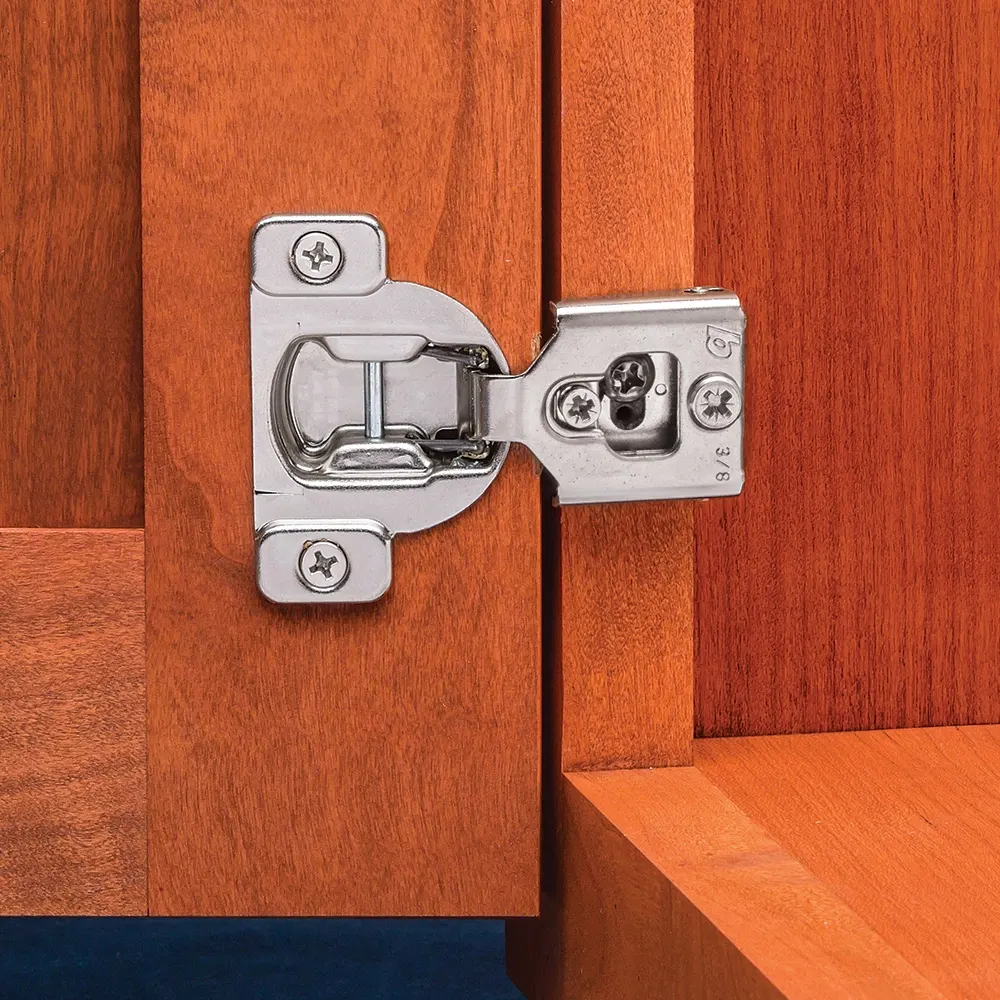
Pivot Hinges / Specialty Hinges
Best Use — Used for custom cabinet designs, such as corner cabinets, bi-fold doors, or rotating doors. These are ideal for doors that open in non-traditional ways or for unique spaces.
Pros
Offers more flexibility and can be used in creative designs or for space-saving solutions.
Cons
Installation can be complex, requiring precise positioning and measurements.
Typically more expensive and not suitable for all standard cabinet configurations.
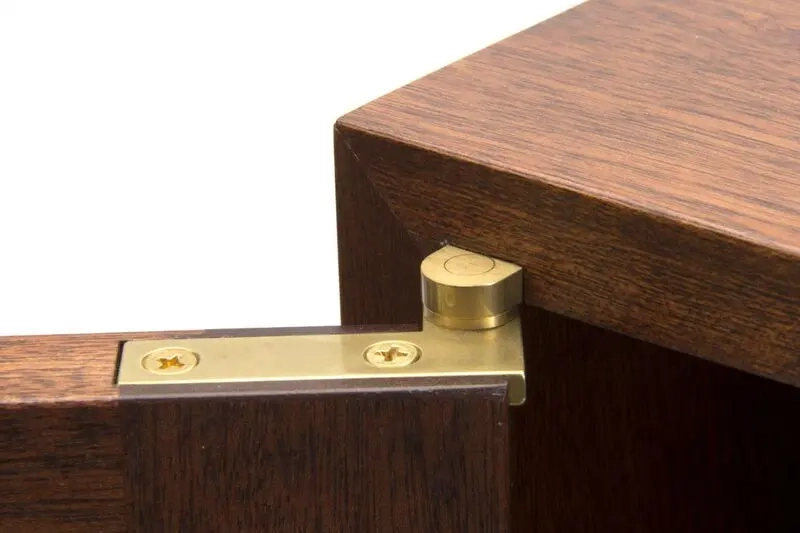
Soft-Close / Self-Closing Hinges
Mechanism & Features — These hinges are equipped with a hydraulic or damping mechanism that slowly pulls the door shut, preventing it from slamming.
Best Use — Ideal for modern kitchens, bathrooms, or spaces where doors are frequently opened and closed. Perfect for homeowners who want a quiet, smooth door-closing experience.
Pros
Ensures quiet, smooth door closure without slamming.
Extends the lifespan of your cabinets by reducing wear and tear.
A popular feature in high-end custom cabinetry and kitchens.
Cons
Slightly higher cost and more complex installation.
Requires some maintenance (e.g., lubrication, occasional adjustments).
Needs precise installation for optimal performance.
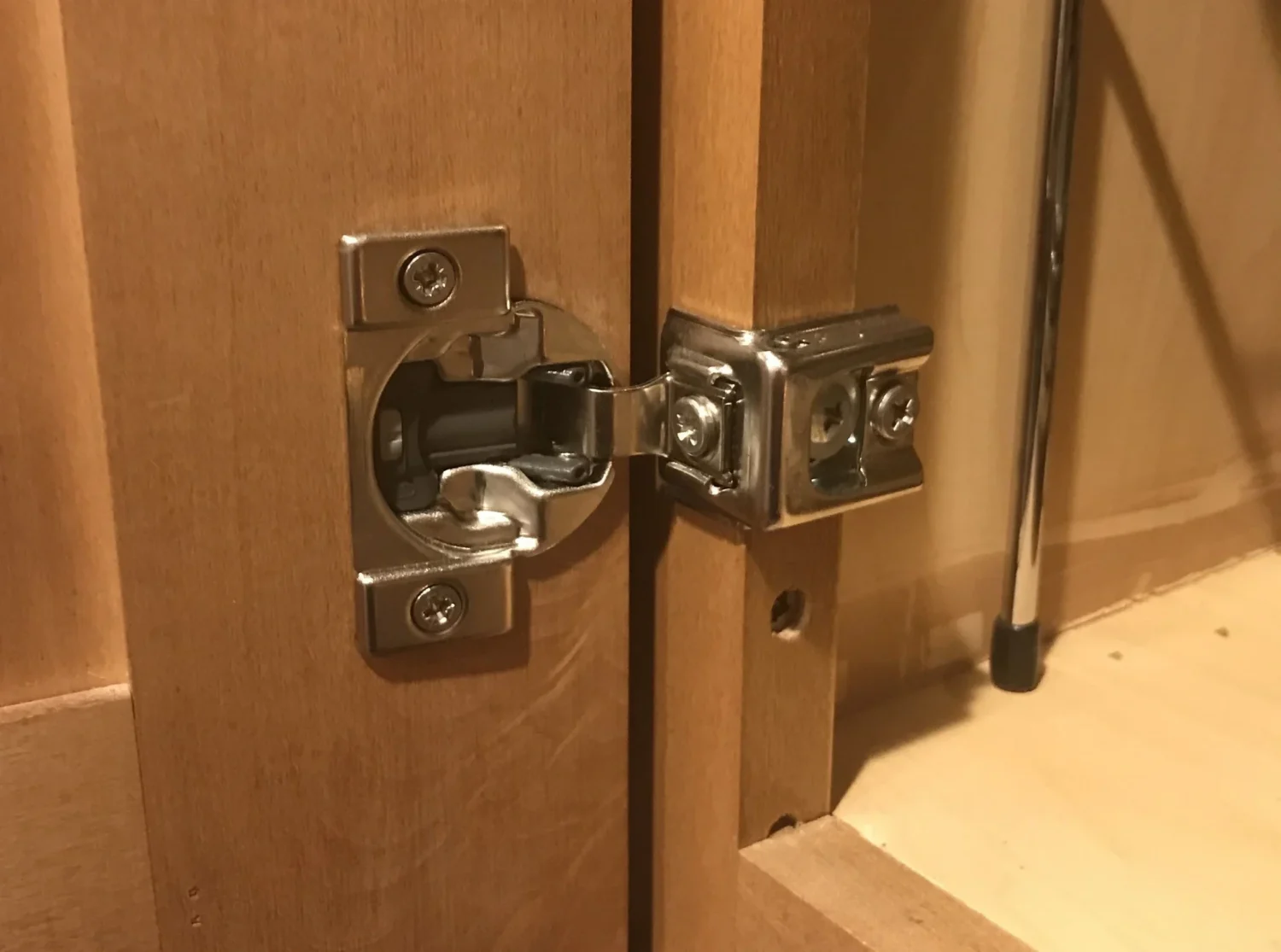
Specialty Hinges for Custom Applications
For unique applications, specialty hinges can help meet specific design or functionality needs:
Continuous Hinges: For large, custom doors, continuous hinges provide extra support along the full length of the door.
Heavy-Duty Hinges: If you’re working with oversized cabinets or doors, heavy-duty hinges ensure the door remains sturdy and functional for years.
Decorative Hinges: In some cases, you may want to choose a hinge that also adds a decorative element to your cabinet. These hinges come in various finishes and styles to match your home décor.
How to Choose the Right Cabinet Hinge for Your Needs
Choosing the right cabinet hinge depends on several factors, including:
Cabinet Type: Whether you have a face-frame or frameless cabinet can determine which hinge style will work best. Face-frame cabinets often use surface-mounted or European hinges, while frameless cabinets benefit from concealed hinges.
Door Style & Overlay:
Inset, partial overlay, full overlay – what’s the best match for your door style?
Functionality:
Soft-close, self-closing, heavy-duty – understanding functional needs based on room type (kitchen, bathroom, office).
Aesthetic:
The type of hinge you choose should match the style of your kitchen, bathroom, or custom furniture. For a sleek, modern look, go with concealed hinges; for a more traditional feel, opt for visible, decorative hinges.
Tips:
For high-traffic kitchens or bathrooms, consider soft-close hinges to avoid slamming.
If you’re installing custom cabinetry or heavy-duty doors, opt for piano hinges or heavy-duty options for added strength and durability.
| Hinge Type | Best For | Cost Range | Ease of Installation |
|---|---|---|---|
| Butt Hinges | Traditional, heavy-duty cabinets | Low | Easy |
| European Hinges | Frameless, modern cabinets | Medium | Moderate |
| Soft-Close Hinges | High-end projects | High | Moderate |
| Pivot Hinges | Corner/specialty cabinets | High | Complex |
| Inset Hinges | High-end, traditional or vintage cabinets | Medium | Moderate |
| Overlay Hinges (Full-Overlay / Partial-Overlay) | Modern cabinetry, frameless or overlay designs | Medium | Moderate |
| Specialty Hinges | Custom, large doors, corner cabinets, or unique designs | High | Complex |
Cabinet Hinge Installation and Maintenance Tips
Installing the right hinge requires precise measurements and some basic tools. Here’s how to make the installation process smoother:
Preparation: Measure the door and cabinet carefully to ensure you choose the right hinge size.
Installation: Mark the hinge placement on both the cabinet and the door, then drill the required holes. For European and soft-close hinges, be sure to drill the cup holes at the correct depth.
Adjustment: After installation, test the door for alignment. Adjust the hinge if needed to ensure the door opens and closes smoothly.
Maintenance: Keep hinges clean and lubricated to avoid squeaks and premature wear. If you notice any sagging or misalignment, adjust the hinge settings to restore proper function.
Troubleshooting Common Cabinet Hinge Problems
Even the best hinges can develop issues over time. Here are some common problems and how to fix them:
Misaligned Doors: If your cabinet doors aren’t lining up, check the hinge screws for tightness and adjust the hinges to correct the alignment.
Sagging Doors: If the doors are sagging, it may be due to loose hinges or worn-out pins. Tighten or replace the hinges as needed.
Soft-Close Failure: If the soft-close feature stops working, inspect the mechanism for any obstructions or signs of wear. You may need to replace the hinge if the internal mechanism is damaged.
Broken Hinges: If a hinge is completely broken, it’s time to replace it. Make sure to match the replacement hinge with the existing door and frame specifications.
Conclusion
Choosing the right cabinet hinge can make a huge difference in both the functionality and style of your cabinets. Whether you’re installing a soft-close hinge for a modern kitchen or a heavy-duty hinge for custom furniture, understanding the types of hinges available and their pros and cons will help you make the best decision.
Don’t let the small details slip through the cracks—invest in high-quality, durable hinges that will not only enhance the functionality of your cabinets but also add to their overall aesthetic appeal. If you need help selecting the right hinges for your project, contact our team of experts for personalized advice and recommendations.
At PA Home, we understand that the smallest details, like the right cabinet hinge, can make a big difference in both the function and aesthetics of your space. As a leader in custom cabinetry, aluminum windows, and doors, we offer high-quality, durable solutions designed to elevate your home or commercial project. Whether you’re renovating your kitchen, outfitting a bathroom, or working on a hotel fit-out, our expert team ensures every element—down to the hinges—meets the highest standards of design and craftsmanship. Trust PA Home to provide the best in custom solutions for your cabinetry needs.
FAQs
Common types include Butt Hinges, European Hinges, Inset Hinges, Overlay Hinges, Pivot Hinges, Soft-Close Hinges, and Heavy-Duty Hinges.
Consider cabinet type, door style, and functionality needs like soft-close or heavy-duty.
Overlay Hinges make the door overlap the frame, while Inset Hinges fit the door inside the frame.