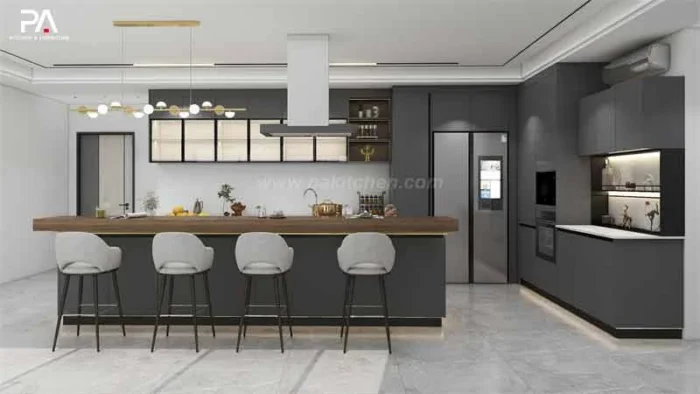
As homeowners, developers, and designers pay more attention to indoor air quality, cabinet materials are no longer judged only by appearance and durability. Environmental performance is becoming an important factor in modern residential and commercial projects. A cabinet with sustainable panels but a high-emission coating may still affect indoor air quality.
This is why low-VOC wood finishes are becoming increasingly popular in modern cabinet projects. They provide a balance between aesthetics, performance, and healthier living environments.
In this guide, we will explain what low-VOC wood finishes are, their benefits, common types, and how developers can choose the right finish for residential and hospitality projects.
What Are Low-VOC Wood Finishes?
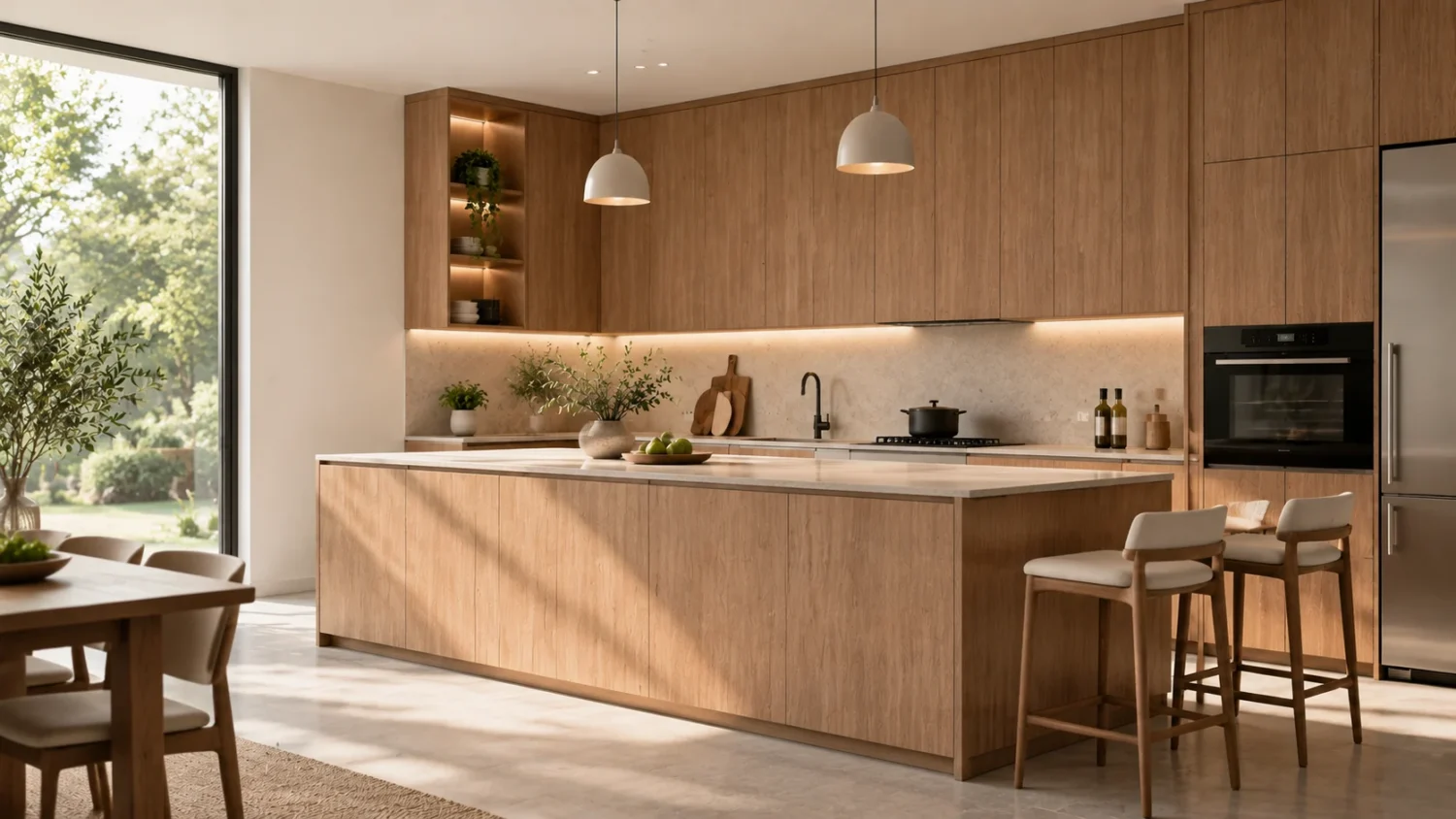
VOC stands for Volatile Organic Compounds. These are chemicals that can easily evaporate into the air from products such as paints, coatings, adhesives, and finishing materials.
Traditional wood finishes often contain solvents that release VOC emissions during application and after installation. These emissions may contribute to strong odors and reduced indoor air quality.
Low-VOC wood finishes are designed to reduce these emissions by using:
- Lower-solvent formulations
- Water-based technologies
- Improved coating systems
- Environmentally friendly materials
For cabinet manufacturers and project developers, low-VOC finishes provide a way to create healthier interior environments while maintaining high-quality appearance and performance.
It is important to understand that low-VOC does not always mean completely VOC-free. The actual emission level depends on the material formulation, testing standards, and certification requirements.
Types of Low-VOC Wood Finishes for Cabinets
Water-Based Finishes
A low-emission coating solution designed for healthier interior environments.
- Lower VOC emissions
- Reduced odor
- Clean surface appearance
Low-VOC Lacquer
A premium finishing option that combines smooth surfaces with improved emission control.
- Premium visual effect
- Smooth and durable surface
- Suitable for luxury projects
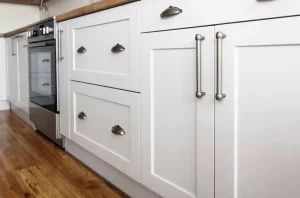
PET Surface Finish
A modern cabinet surface with a matte texture and contemporary appearance.
- Modern matte finish
- Easy maintenance
- Consistent surface quality
Benefits of Low-VOC Wood Finishes for Cabinet Projects
Why are more developers and designers choosing low-VOC finishes?
Because modern projects need to consider both performance and occupant experience.
Better Indoor Air Quality
Indoor air quality has become a major concern in residential construction.
According to the U.S. Environmental Protection Agency (EPA), indoor concentrations of some pollutants can be higher than outdoor levels, making material selection an important factor in indoor environments.
Low-VOC finishes help reduce unnecessary chemical emissions from interior surfaces.
This is especially valuable for:
- Apartment developments
- Hotels
- Office spaces
- Healthcare environments
Healthier Living Spaces
Today’s buyers expect more from residential properties.
They care about:
- Comfortable living environments
- Sustainable materials
- Better indoor conditions
For developers, using healthier cabinet materials can become a valuable feature when marketing modern homes.
A sustainable kitchen cabinet is one of the most frequently used areas in a home. Choosing safer finishing materials can improve the overall user experience.
Building a Sustainable Cabinet System: Beyond Low-VOC Finishes
A common mistake is focusing only on the cabinet surface.
A truly healthier cabinet system requires multiple layers of consideration.
Think of a cabinet like a complete building. The finish is only the exterior. The structure underneath matters too.
A sustainable cabinet system usually includes:
| Component | Purpose |
|---|---|
| Low-emission panels | Reduce emissions from the cabinet structure |
| Low-VOC finishes | Improve surface sustainability |
| Safer adhesives | Support cleaner manufacturing |
| Quality production control | Ensure consistent performance |
For example, many modern projects combine:
- ENF-grade panels
- Low-VOC finishes
- Reliable edge banding
- Environmentally responsible adhesives
This approach creates a more complete low-emission cabinet system.
For developers and contractors, evaluating the entire construction process is often more valuable than selecting a single environmentally friendly material.
Applications of Low-VOC Finishes in Modern Cabinet Projects
Apartment Projects
Cost-efficient cabinet solutions for large-scale residential developments.
- Consistent quality
- Easy maintenance
- Stable supply
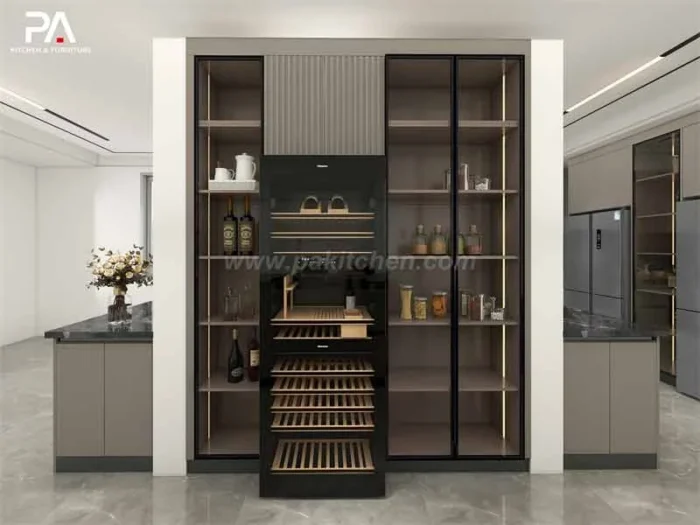
Luxury Homes
High-end finishes that create elegant and natural interior spaces.
- Natural wood appearance
- Warm interior style
- Premium design value
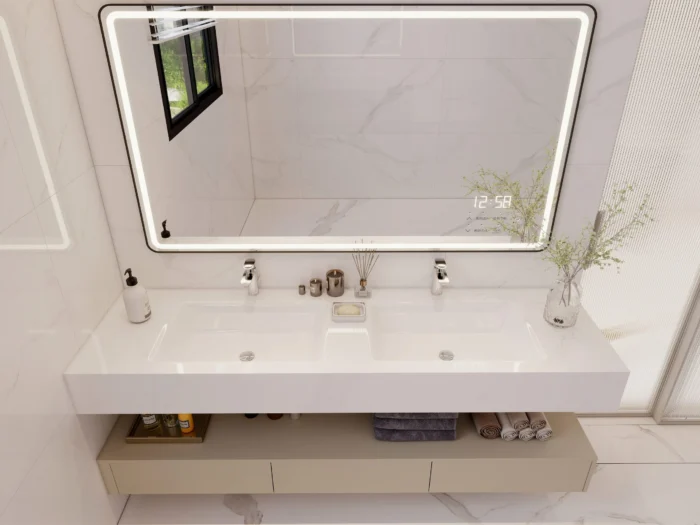
Hotels
Durable and sustainable finishes for guest-focused environments.
- Hotel wardrobes
- Bathroom vanities
- Guest room millwork
How to Choose the Right Low-VOC Cabinet Finish Supplier?
Choosing the right finish is important, but choosing the right supplier is equally critical. A reliable cabinet manufacturer should provide more than product samples. They should offer technical support and project experience.
Before selecting a supplier, consider:
- Material Expertise
- Quality Control Process
- Project Experience
Conclusion: Choosing Better Finishes for Modern Cabinet Projects
Low-VOC wood finishes are becoming an important part of modern cabinet design and construction.
They provide a better balance between:
- Aesthetic value
- Surface performance
- Sustainability
- Indoor environmental quality
However, a healthier cabinet solution requires more than a low-emission finish. It depends on the combination of:
- Responsible panel materials
- Suitable surface treatments
- Reliable manufacturing processes
- Professional project support
For developers, designers, and contractors, choosing the right cabinet supplier can make material selection easier and reduce project risks.
PA Kitchen provides customized cabinet solutions with modern finishes, sustainable material options, and professional manufacturing support for residential and hospitality projects worldwide.
Looking for low-VOC cabinet solutions for your next project? Contact PA Kitchen to discuss materials, finishes, and project requirements.
FAQs
What are Low-VOC wood finishes, and why are they important for modern cabinets?
Low-VOC (Volatile Organic Compound) wood finishes are cabinet coatings designed with significantly fewer harmful chemicals and solvents than traditional paints and lacquers. They are essential for modern cabinetry because they drastically improve indoor air quality, minimize toxic off-gassing, and create a healthier home environment—especially in high-use areas like kitchens and bathrooms.
What are the main types of Low-VOC finishes used on wooden cabinets?
The most common Low-VOC options for modern cabinets include:
Water-Based Acrylics & Polyurethanes: Fast-drying, low-odor finishes that offer strong scratch and moisture resistance while keeping VOC levels low.
Natural Oils & Waxes (e.g., Hardwax Oils): Plant-based finishes that penetrate deep into the wood grain for a natural, tactile feel with near-zero VOC emissions.
UV-Cured Coatings: Industrial-grade Low/Zero-VOC finishes cured instantly with ultraviolet light, delivering extreme durability for high-end custom cabinetry.
Are Low-VOC wood finishes as durable as traditional solvent-based finishes?
Yes. Thanks to modern coating technology, high-quality Low-VOC finishes—particularly modern water-based polyurethanes and UV-cured coatings—offer equal or superior durability compared to traditional solvent-based lacquers. They provide excellent resistance to daily wear, moisture, heat, and chemical spills without yellowing over time.
How do Low-VOC finishes contribute to eco-friendly building standards (like LEED or ENF)?
Low-VOC wood finishes reduce the emission of greenhouse gases and toxic pollutants into the atmosphere. Using them allows custom cabinets and millwork to meet strict international environmental standards, such as LEED (Leadership in Energy and Environmental Design) and ENF/E0 formaldehyde emission standards, making them a vital choice for sustainable residential and commercial projects.