Choosing windows for a new home or renovation? Tilt and turn windows—a European standard—offer two operating modes in one frame: tilt for secure, weather-proof ventilation; turn for full inward opening and easy cleaning.
This guide delivers a neutral, data-backed look at their real benefits, costs, comparisons, and best-use scenarios. No hype. Just facts.
By the end, you’ll know exactly whether they’re the right fit for your project.
What Are Tilt and Turn Windows?
Tilt and turn windows are unique in that they offer two distinct opening options, which is what sets them apart from traditional window designs.
How Do Tilt and Turn Windows Work?
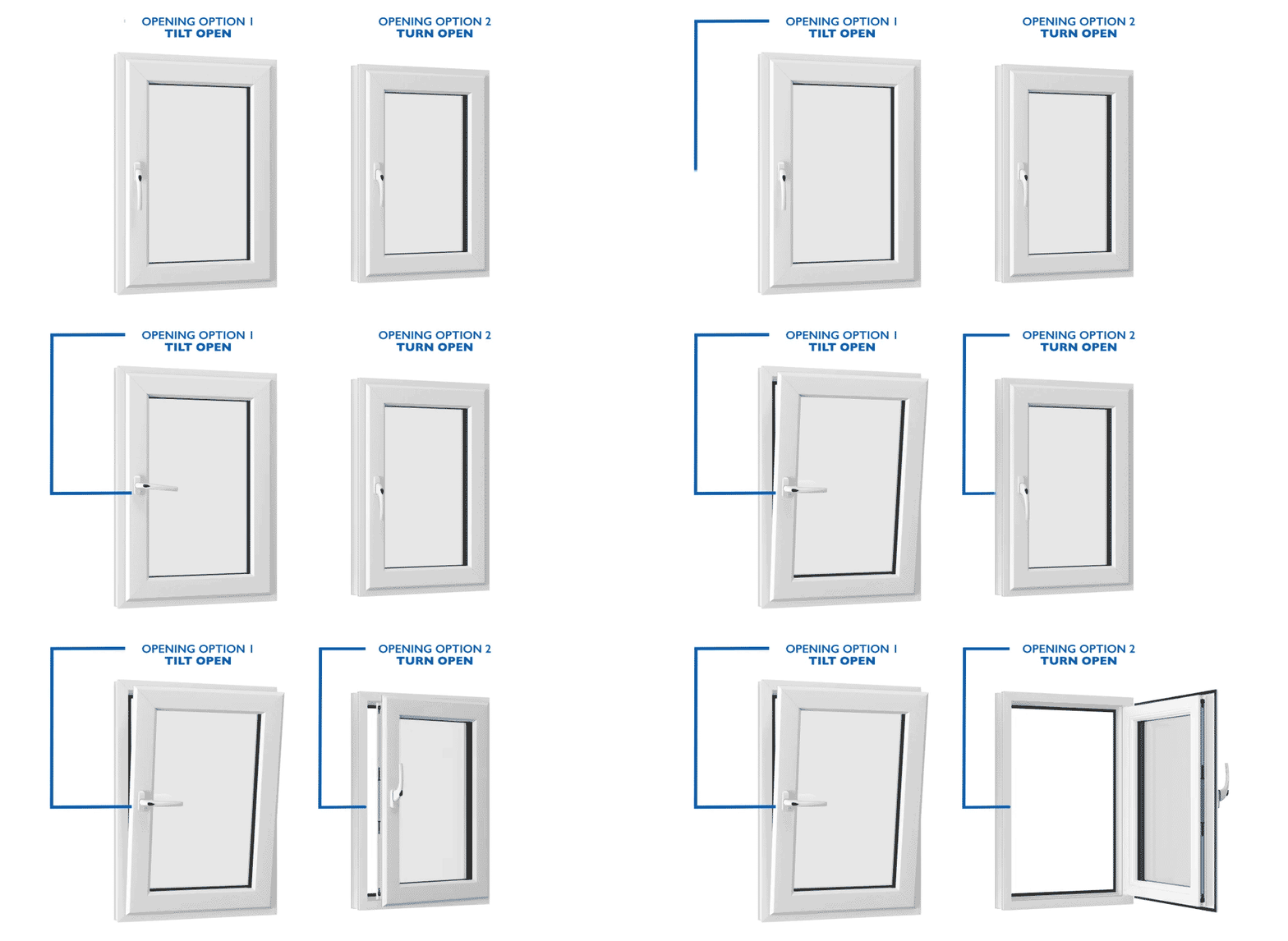
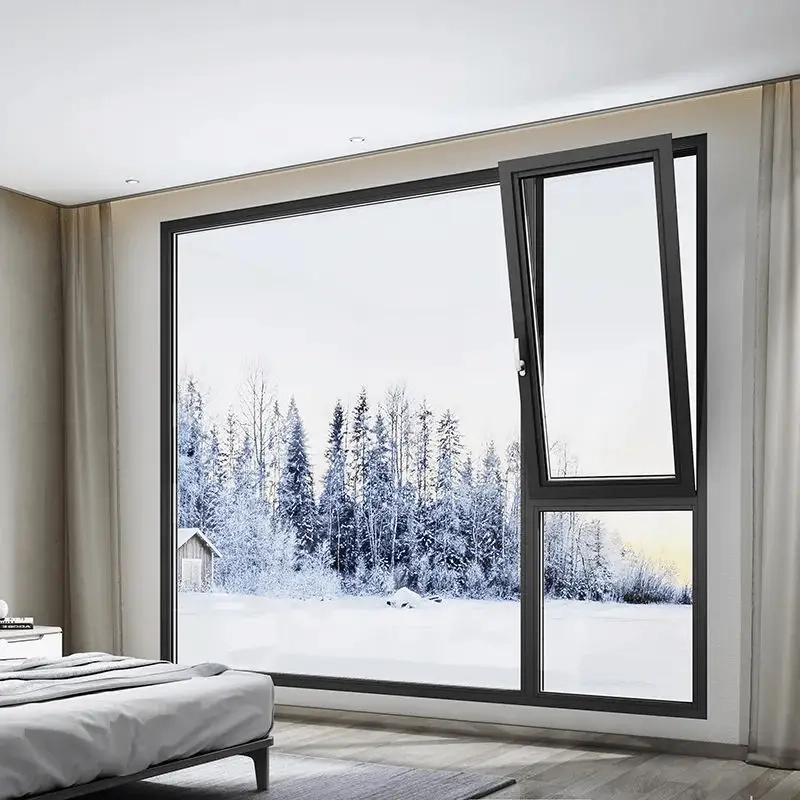
- Tilt mode (handle at 45°): The bottom hinge stays fixed; the top tilts inward. Leaves a 4–6 inch gap at the top—ideal for draft-free ventilation, nighttime cooling, and rain protection.
- Turn mode (handle at 90°): The sash swings fully inward like a casement door. Allows maximum airflow, emergency egress, and glass cleaning from inside.
Multi-point locking: Locking pins engage into strike plates around the frame—typically 3 to 5 points, depending on sash size. This creates
Multi-point locking: Locking pins engage into strike plates around the frame—typically 3 to 5 points, depending on sash size. This creates
Why they dominate Europe:
DIN standards: Nearly mandatory in German and Austrian residential construction since the 1990s.
Passive House compatibility: The gasket compression and recessed hardware deliver tested air leakage rates near zero—essential for high-performance buildings.
Code-driven adoption: European norms prioritize air-tightness, burglar resistance, and barrier-free cleaning; tilt and turn delivers all three in one package.
What are The Pros and Cons of Tilit and Turn Windows?
Key Benefits of Tilt and Turn Windows
Superior Ventilation Control
One of the standout features of tilt and turn windows is their ability to offer superior ventilation. By tilting the window open slightly, you can allow fresh air to circulate without fully opening the window. This means you can have airflow even in light rain or windy conditions, ensuring that your home stays comfortable.
Better Energy Efficiency
Tilt and turn windows are built to be highly energy-efficient. The tight seals and multi-point locking systems ensure that no air leaks out and no cold drafts come in. With the right glazing, these windows can help you reduce heating and cooling costs, making them an excellent choice for energy-conscious homeowners.
Enhanced Security
Thanks to their unique locking mechanism, tilt and turn windows are harder to break into compared to traditional windows. The design includes multiple locking points, which secure the window in both the tilted and turned positions. This makes it a safer option for homes and buildings, particularly in high-risk areas.
Modern Minimalist Aesthetic
If you’re looking for a sleek, contemporary look for your home, tilt and turn windows deliver just that. With narrow frames and an overall minimalist design, these windows complement modern architecture, offering a streamlined and elegant appearance.
Key Disvantage of Tilt and Turn Windows
Higher Cost
Compared to traditional window types, tilt and turn windows tend to be more expensive. Their complex mechanisms, multi-point locking systems, and premium sealing designs increase manufacturing costs, making these windows pricier.
Professional Installation
Installing tilt and turn windows typically requires a professional due to their intricate opening mechanism. Incorrect installation can affect the window’s performance and seal.
Limited Opening Space
Although tilt and turn windows offer two types of openings, they may be restricted in areas with limited space or obstacles outside. Fully opening the window can be difficult, especially in tighter spaces.
Heavier Frames
Due to the structural requirements of the design, tilt and turn windows usually have heavier frames than other window types. This can require more substantial support, especially with larger window sizes.
Tilt and Turn Windows vs Other Window Types
Tilt and Turn vs Casement Windows
While both tilt and turn and casement windows are hinged, tilt and turn windows offer more versatility. Casement windows can only open outward, which limits their ability to control ventilation in certain weather conditions. In contrast, tilt and turn windows can tilt open for ventilation and turn open for a full range of access.
Tilt and Turn vs Sliding Windows
Sliding windows are a popular choice for many homeowners due to their smooth operation and ease of use. However, they lack the same level of energy efficiency and security as tilt and turn windows. Sliding windows don’t provide the option for top-tilt ventilation, which makes them less flexible in terms of air circulation.
Tilt and Turn vs Awning Windows
Awning windows open outward from the bottom, allowing for ventilation even in rainy conditions. However, tilt and turn windows offer a better balance of ventilation and security. Plus, with their ability to open both ways, tilt and turn windows give homeowners more control over the level of airflow and access.
| Feature | Tilt and Turn Windows | Casement Windows | Sliding Windows | Awning Windows |
|---|---|---|---|---|
| Ventilation Flexibility | ⭐⭐⭐⭐⭐ | ⭐⭐⭐⭐ | ⭐⭐⭐ | ⭐⭐⭐⭐ |
| Energy Efficiency | ⭐⭐⭐⭐⭐ | ⭐⭐⭐⭐ | ⭐⭐⭐ | ⭐⭐⭐⭐ |
| Security Level | ⭐⭐⭐⭐⭐ | ⭐⭐⭐⭐ | ⭐⭐⭐ | ⭐⭐⭐⭐ |
| Ease of Cleaning | ⭐⭐⭐⭐⭐ | ⭐⭐⭐ | ⭐⭐⭐⭐ | ⭐⭐⭐ |
| Weather Resistance | ⭐⭐⭐⭐⭐ | ⭐⭐⭐⭐ | ⭐⭐⭐ | ⭐⭐⭐⭐ |
| Space Efficiency | ⭐⭐⭐ | ⭐⭐⭐ | ⭐⭐⭐⭐⭐ | ⭐⭐⭐ |
| Cost Efficiency | ⭐⭐ | ⭐⭐⭐ | ⭐⭐⭐⭐ | ⭐⭐⭐ |
Where Are Tilt and Turn Windows Best Used?
Tilt and turn windows are ideal for high-rise apartments because they allow for safe ventilation even when the window is only slightly open. Their inward-opening design also makes them perfect for cleaning without the need for scaffolding or ladders.
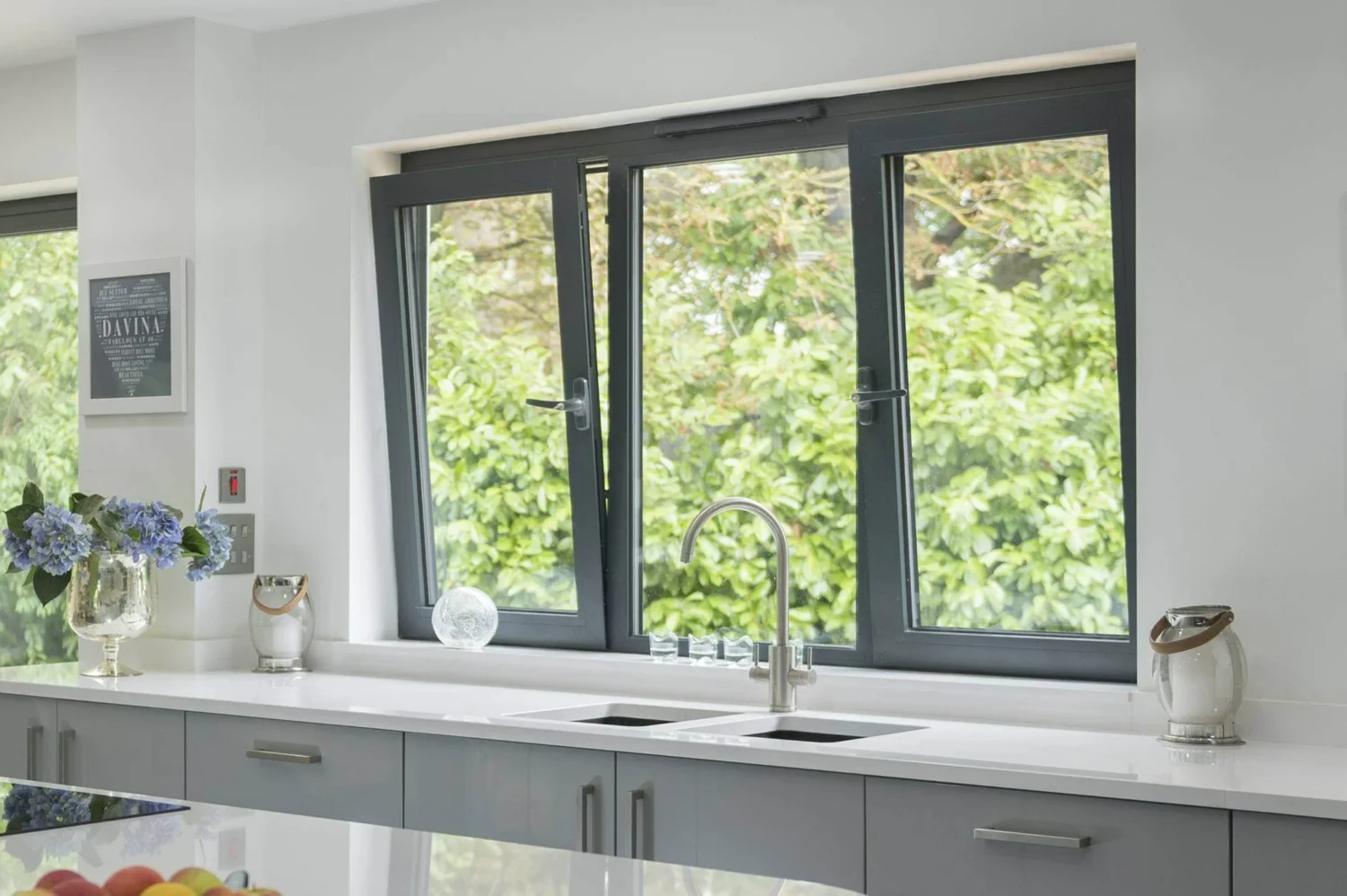
For homes with contemporary designs, tilt and turn windows offer a sleek, modern look while providing superior functionality. Whether you’re in a city or a suburban area, these windows fit well with various architectural styles.
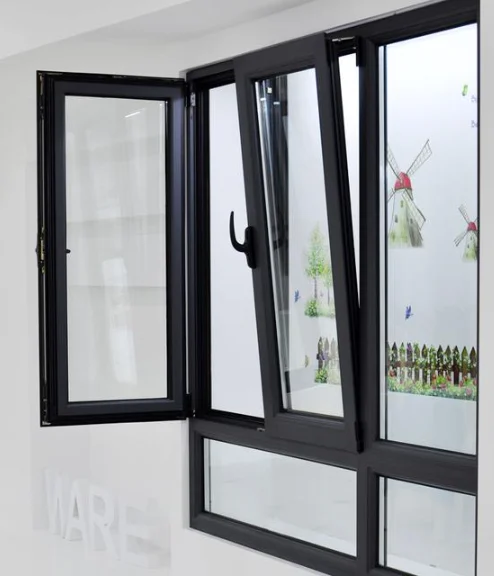
In commercial spaces, tilt and turn windows offer practicality without compromising on style. They are ideal for offices, hotels, and other business environments where both security and ease of access are crucial.
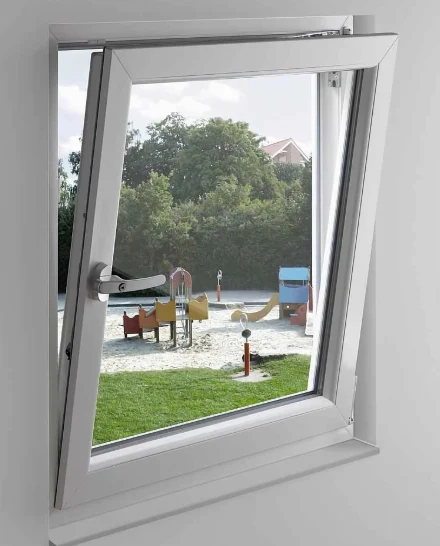
Tilt and turn windows excel in areas with harsh weather conditions. Their multi-point locking system and tight seals provide excellent insulation against cold temperatures, wind, and rain. If you live in a region prone to extreme weather, tilt and turn windows are an excellent choice.
How Much Do Tilt and Turn Windows Cost?
Price Factors
The cost of tilt and turn windows can vary depending on several factors:
Size: Larger windows naturally cost more.
Material: uPVC, aluminum, and wood are common materials used in tilt and turn windows, with aluminum generally being the most expensive.
Glazing: The type of glazing you choose (e.g., double or triple glazing) will impact the overall cost.
Hardware: The quality of the locking mechanisms and hinges can also affect the price.
Are They Worth the Investment?
While tilt and turn windows tend to be more expensive than traditional window styles, their benefits often outweigh the extra cost. With better energy efficiency, improved security, and easier maintenance, they offer long-term value that can save you money on energy bills and repairs down the line.
Conclusion
Tilt and turn windows are a fantastic choice for homeowners who value energy efficiency, security, and ease of use. Whether you’re looking to enhance your home’s aesthetic or improve its functionality, these windows offer a versatile solution that works in various environments.
For more information or to get a quote for tilt and turn windows for your next project, contact PA Home today.
FAQs
Yes, tilt and turn windows are highly energy efficient due to their tight seals and multi-point locking systems, which prevent heat loss and drafts.
Tilt and turn windows are extremely secure. Their locking mechanism includes multiple points of contact, making them more difficult to break into compared to traditional windows.
Tilt and turn windows tend to be more expensive because they offer a high level of versatility, security, and energy efficiency. The materials used, such as aluminum or uPVC, also contribute to the cost.