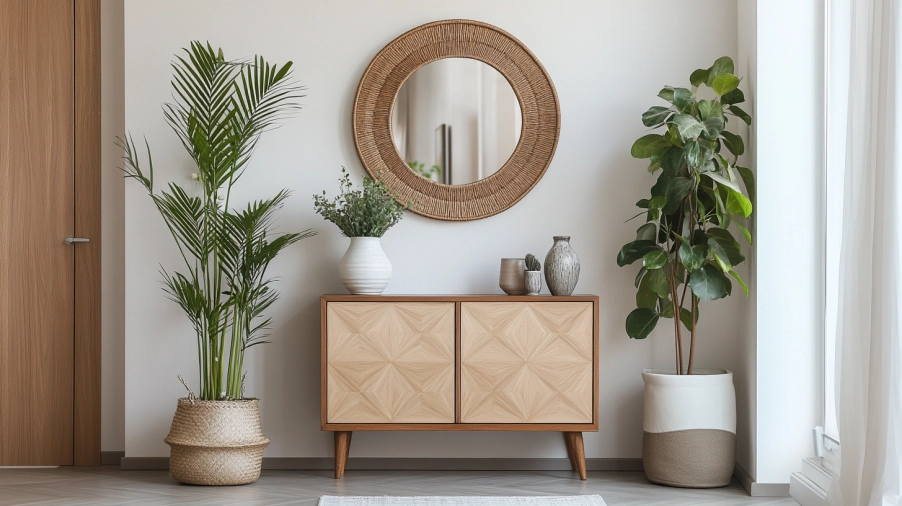
Accent cabinets are more than just functional furniture pieces—they are an essential element of home decor that can transform a space. Whether you’re looking to add a pop of color to a neutral room or enhance the storage capabilities of your home, the right accent cabinet can make all the difference. This guide will help you navigate the process of choosing, styling, and placing accent cabinets in your home. Let’s dive into expert tips and ideas to make sure you pick the perfect accent cabinet for your space.
What Is an Accent Cabinet and Why It’s Essential for Your Home
An accent cabinet is a stylish piece of furniture designed to add both storage and visual interest to a room. Unlike typical cabinets that focus solely on function, accent cabinets combine form with practicality. They are perfect for storing everyday items while also serving as a decorative feature.
Accent cabinets come in various designs, from minimalist modern options to rustic wooden pieces. The key is choosing a cabinet that complements your existing furniture and adds a new dimension to your space. Whether placed in the living room, entryway, or bedroom, accent cabinets can bring a room together.
| Type | Advantages | Disadvantages | Typical Price Range |
|---|---|---|---|
| Accent Cabinet | Most decorative; fits any room; moderate storage | Less storage; some designs focus on looks | $150 – $1,200+ |
| Sideboard | High storage; functional; ideal for dining rooms | Needs more space; less decorative | $300 – $2,000+ |
| Console Table | Slim; stylish; great for entryways | Minimal storage; mostly decorative | $80 – $800+ |
How to Select the Right Accent Cabinet: A Step-by-Step Guide
Choosing the perfect accent cabinet involves more than just picking the one that looks nice. Here’s a breakdown of the important factors to consider:
Size and Dimensions
The first step is determining the size of the cabinet. Measure your space to make sure the cabinet fits without overcrowding the room. Accent cabinets work well in smaller spaces, but you want to avoid choosing one that’s too large for the area.
Material Choices
Accent cabinets come in various materials, and the material you choose should align with your home’s style and needs. For a more rustic feel, a wood accent cabinet can add warmth and texture. If you’re looking for something sleek and modern, a black accent cabinet or accent cabinet with glass doors can offer a sophisticated look. Each material brings its own set of advantages—wood provides timeless elegance, while glass adds an element of transparency, making your space feel airier.
Functionality
What do you need from your accent cabinet? Do you want a place to store seasonal items, or are you looking for something to display art or collectibles? Some accent cabinets come with adjustable shelves or drawers, while others are purely decorative.
Style Compatibility
Your accent cabinet should complement your room’s style. Whether you have a modern, rustic, or traditional theme, make sure the cabinet enhances the existing aesthetic.
Accent Cabinet Materials: What Works Best for Your Needs
When choosing an accent cabinet, material plays a significant role in both aesthetics and durability. Here’s a closer look at the most popular materials:
Wood
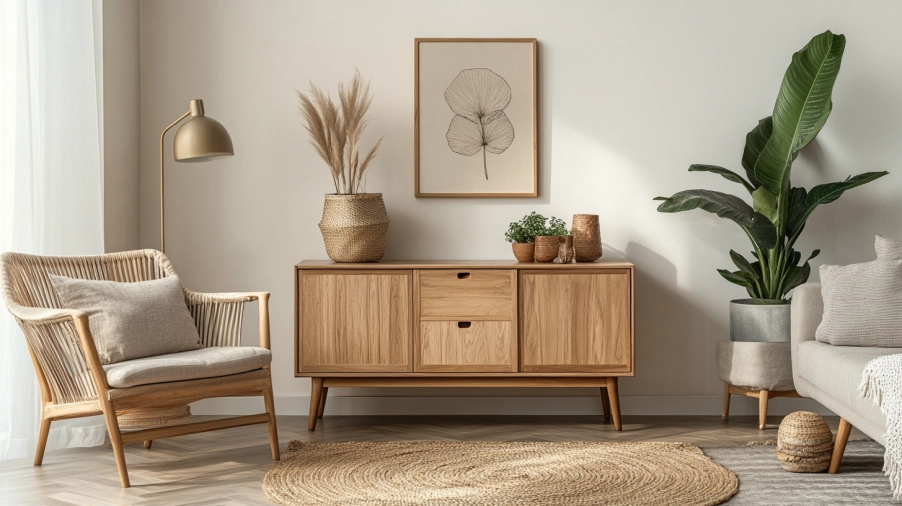
Wooden cabinets remain a popular choice due to their versatility and timeless appeal. Choose solid wood for a long-lasting, durable piece, or veneered wood for a more affordable option. If you’re seeking a rustic or natural look, opt for reclaimed wood.
Glass
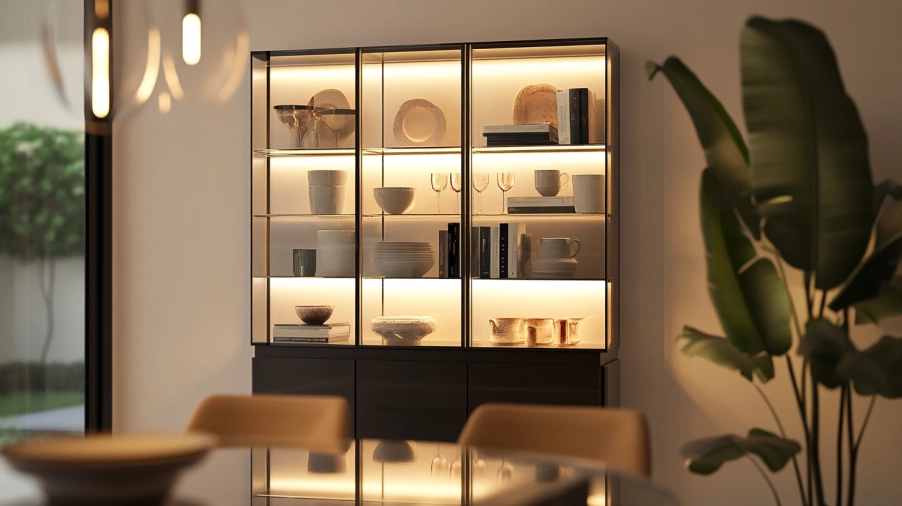
Glass-front cabinets allow you to display items with elegance. They’re perfect for showcasing delicate décor, art pieces, or collectible items. However, glass cabinets may require more frequent cleaning, so consider this if you prefer low-maintenance furniture.
Metal
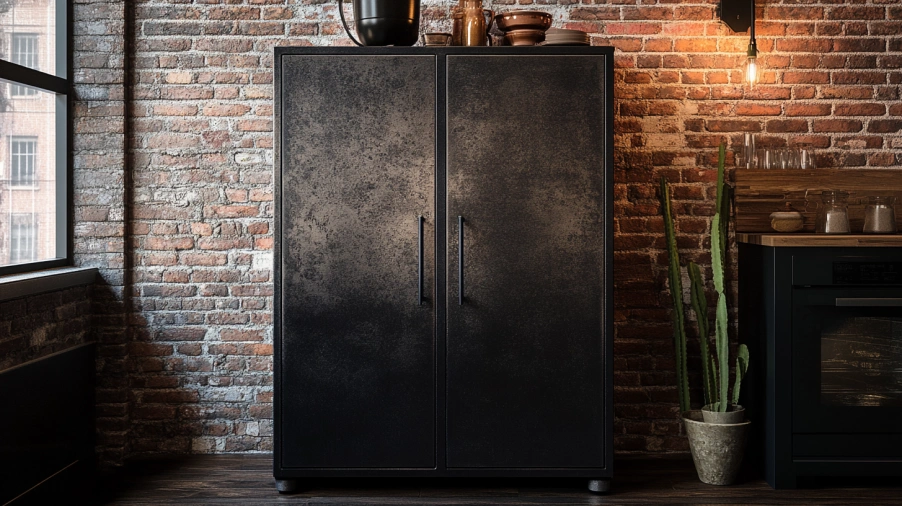
Metal accent cabinets often have a sleek, industrial feel, making them ideal for modern or minimalist spaces. They’re incredibly durable and easy to maintain, but their cold, utilitarian feel might not suit all design schemes.
Mirrored
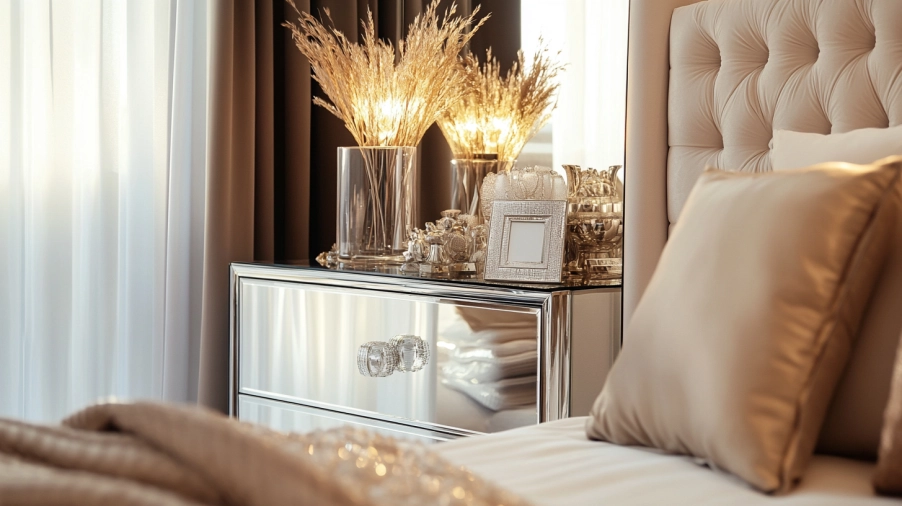
Mirrored cabinets are highly reflective and can make small rooms appear larger. They add a touch of glamour to the space, especially in bedrooms or bathrooms. Keep in mind that mirrored surfaces may show fingerprints, so regular cleaning is essential.
Where to Place Your Accent Cabinet: The Best Rooms and Spaces
Accent cabinets can be placed in a variety of locations around your home. Here’s where they work best:
Entryway
In an entryway, an accent cabinet can serve as both storage and a decorative feature. Opt for a narrow accent cabinet that offers drawers or shelves to store gloves, keys, and other items.
Living Room
Lorem ipsum dolor sit amet, consectetur adipiscing elit. Ut elit tellus, luctus nec ullamcorper mattis, pulvinar dapibus leo.
Dining Room
In the dining room, accent cabinets with glass-front doors can house fine china, glassware, or other special collections. They add an elegant touch to the space while offering much-needed storage.
Bedroom
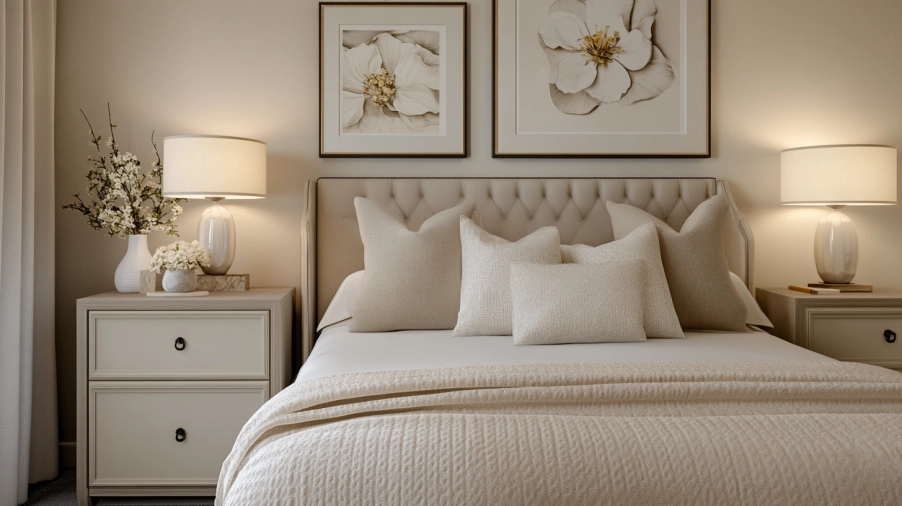
An accent cabinet in the bedroom can serve as a nightstand or a storage piece for extra bedding, accessories, or personal items. Choose a piece with drawers to keep clutter out of sight.
Common Mistakes to Avoid When Choosing an Accent Cabinet
Even with the best intentions, you might make some common mistakes when choosing an accent cabinet. Here are some things to avoid:
Overlooking Size
Always measure your space before buying an accent cabinet. A piece that is too large for your room will dominate the space and make it feel cramped. Conversely, a cabinet that is too small can get lost in a larger room.
Ignoring Style Compatibility
Your accent cabinet should enhance your room’s existing style, not clash with it. Make sure you select a cabinet that complements the colors and materials already present in the room.
Choosing Form Over Function
While an accent cabinet should look great, it must also serve a purpose. Don’t sacrifice functionality for style. If you need extra storage, choose a cabinet with drawers or shelves that can hold everyday items.
Accent Cabinet vs Sideboard vs Console
Many users search for these differences but rarely find clear answers.
Accent Cabinet
Most decorative
Smaller footprint
Works in any room
Sideboard
Longer and lower
Best for dining rooms
Great for dishware storage
Console Table
Shallow depth
Mostly decorative
Minimal storage
If you’re decorating a small space, an accent cabinet wins because it provides more storage without consuming too much depth.
Why Custom Accent Cabinets Are Rising in Popularity
Custom accent cabinets solve three major pain points:
Perfect fit for awkward spaces
More material and color choices
Better long-term durability
They also give your home a more coherent design feel. Many hotels and serviced apartments use custom cabinetry because it raises perceived value while staying cost-efficient.
Conclusion
Choosing the perfect accent cabinet doesn’t have to be difficult. With the right style, material, and functionality in mind, you can find the piece that adds both charm and purpose to your space. Accent cabinets are more than just storage—they are an opportunity to express your style and make a statement in any room. So, go ahead and find the one that best fits your home, and let it become the focal point of your decor.
FAQs
Measure the available space and consider both height and width to ensure the cabinet fits proportionally.
Yes! Accent cabinets are designed for both decorative purposes and functional storage.
An accent cabinet is usually smaller and more decorative, while a sideboard is typically larger and designed for storage.