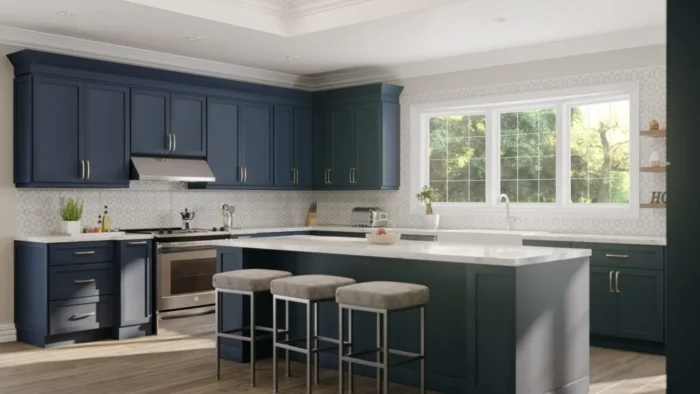
Lacquer cabinets work as one of the parts only in different interior furniture such as kitchen cabinets, wardrobes/closets, and bathroom vanities. They have their own traits to attract much attention from the field of interior design, furniture, and building materials. But few resources detail them to an all-round Level. To professionals from the field or household individuals with zero experience, this article thus will go and give a detailed explanation including the Definition, Importance, Category, and Function of Lacquer cabinets.
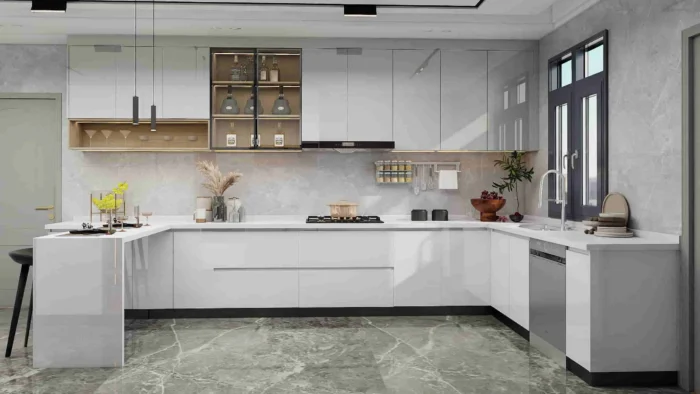
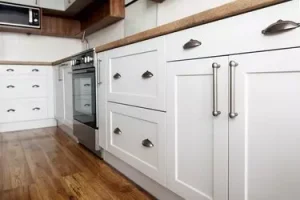
White Lacquer Kitchen Cabinet
What are Lacquer Cabinets?
Lacquer cabinets are cabinets finished with a lacquer coating applied to their surfaces. The coating creates a smooth, colored finish that can range from matte to high gloss. Unlike solid wood cabinets, lacquer cabinets are defined by their surface finish rather than their core material.
The cabinet substrate is an important part of the overall construction. Common options include medium-density fiberboard (MDF), plywood, and other suitable wood-based panels. MDF is often used for lacquered cabinet doors because its smooth, uniform surface supports an even finish. The final result depends on both the substrate and the quality of the finishing process.
Why are Lacquer Cabinets Important?
Wood remains an important material in the cabinet industry. According to Grand View Research, wood cabinets accounted for 67.3% of global cabinet market revenue in 2025. However, this figure measures the material segment, not the share of cabinets finished with lacquer. Lacquer remains a versatile finish option for homeowners, interior designers, and cabinet manufacturers.
Home Decor Option
Cabinet finishes influence the overall appearance of a kitchen or living space. Lacquer finishes offer a smooth surface and a wide range of colors. Homeowners can choose glossy finishes for a sleek, contemporary look or matte finishes for a more understated style. The right finish can complement countertops, flooring, lighting, and other interior elements.
Interior Design Trend
Lacquer cabinets offer flexibility in color, sheen, and overall design. High-gloss finishes create a polished appearance, while matte finishes provide a softer visual effect. Designers can use these options to complement different interior styles, from modern minimalist kitchens to more classic spaces. The choice should reflect the project’s aesthetic goals, maintenance requirements, and budget.
Practical Considerations for Cabinet Manufacturers
Lacquer finishes give cabinet manufacturers another way to customize products for different customer preferences. However, the final quality depends on substrate preparation, coating application, curing, and quality control. Manufacturers should also consider production costs, finish consistency, and repair requirements when selecting a coating system. These factors help balance appearance, durability, and manufacturing efficiency.
What Are the Pros and Cons of Lacquer Cabinets?
Lacquer cabinets offer a sleek appearance and flexible design options. However, their performance depends on the coating quality, substrate, and application process.
Pros of Lacquer Cabinets
Smooth, Elegant Finish: Lacquer creates a uniform surface that suits modern and contemporary kitchens.
Wide Color Selection: Available in various colors and sheen levels, from matte to high gloss.
Easy Routine Cleaning: Smooth surfaces can be wiped with a soft cloth and a suitable mild cleaner.
Design Flexibility: Lacquer works with different cabinet door styles and interior design schemes.
Cons of Lacquer Cabinets
Visible Fingerprints: High-gloss finishes can show fingerprints, smudges, and minor surface marks.
Risk of Scratches and Chips: Sharp impacts and abrasive cleaning materials can damage the coating.
Sensitive to Improper Conditions: Heat, moisture, and prolonged sunlight may affect the finish, depending on the coating system.
Potentially Difficult Repairs: Matching the original color and sheen can be challenging when damage occurs.
Are Lacquer Cabinets Worth It?
Lacquer cabinets are a good choice for homeowners who value a refined appearance and extensive color options. Before purchasing, compare coating specifications, maintenance requirements, and warranty coverage. Request physical samples to assess the finish under your kitchen’s lighting conditions.
Four Categories of Lacquer Cabinets
How many types of lacquer cabinets are in the market? Usually, there are five categories according to the traits of their color, glossiness, shape, and coverage:
Colors of Lacquer Paints
There are decades of different colors that have been used in the lacquer paint currently. But the mainstream colors are always the same, and they are white, black, gray, brown, green, and blue as the preferences from the public. Other colors are actually the variant from these mainstream colors.
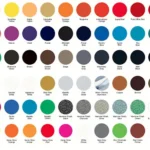
Lacquer Colors for Cabinet Doors
Gloss / Matt Lacquer Cabinets
The lacquer finish for the cabinet can be Glossy or Matt according to the glossiness of the lacquer finish. The gloss lacquer finished cabinet is commonly used in the modern kitchen design, which brings the kitchen a sense of the in-trend fashion. But the Matt lacquer is most used to decorate the kitchen with a low-key profile. Therefore, both have their own features for the different needs of kitchen decor.

Gloss White Lacquer Kitchen Cabinet
Shapes of Cabinet Doors
The shaped lacquer cabinets vary, and they completely depend on the exact shape of different cabinet doors, the lacquer finished doors. So what are the common types in the market currently? The list includes Framed/Frame-less Doors, Arched Doors, Squared Doors, and Lacquer-Framed Glass Doors. The selection for different shapes of cabinet doors is to meet the different needs of the interior decoration.
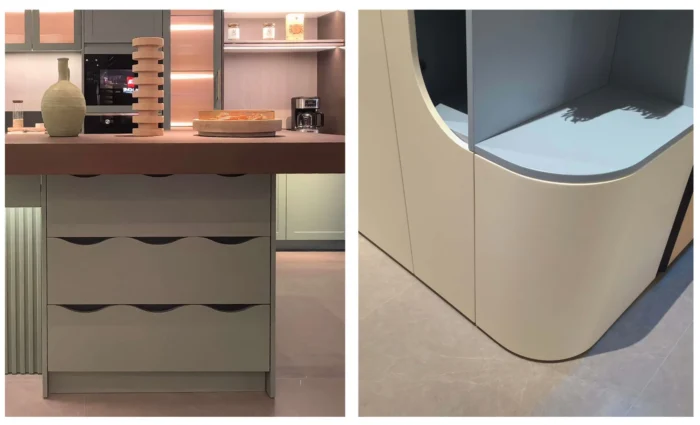
Cabinet Door Shapes
Single/Dual-Face Lacquer
According to the degree of the lacquer paint coverage, the cabinet is usually painted with single-face lacquer or dual-faced lacquer. Cabinets with single-face paint are relatively cost-saving, and only the face of the cabinet needs to be visible. On the contrary, Dual-face lacquer offers better protection for the cabinet.
What Materials Are Used for Lacquer Cabinets?
Lacquer cabinets combine a suitable cabinet substrate with a lacquer coating. The substrate provides structural support, while the coating creates the cabinet’s color, sheen, and surface appearance. Common substrate materials include MDF, plywood, and solid wood.
1. Medium-Density Fiberboard (MDF)
MDF is a popular choice for lacquer cabinet doors. Its smooth, uniform surface supports an even coating and helps create a clean, seamless appearance. It is especially suitable for painted finishes, flat panels, and contemporary cabinet designs. However, standard MDF can swell when exposed to excessive moisture.
2. Plywood
Plywood consists of thin wood veneers bonded in layers. It offers good structural strength and can be suitable for cabinet components that require greater rigidity. When properly prepared, plywood can also receive a lacquer finish. However, its surface may require additional preparation to achieve a smooth, consistent result.
3. Solid Wood
Solid wood can also be lacquered to create a colored or glossy surface while retaining the character of natural wood. However, wood grain and movement caused by changes in humidity can affect the finish. Solid wood is generally less common than MDF for fully painted cabinet doors.
How to Choose the Right Material
The best substrate depends on your budget, cabinet design, moisture exposure, and performance requirements. MDF is often suitable for smooth, painted doors, while plywood may be preferred for certain structural applications. Solid wood offers a natural material option but requires careful finishing.
Remember that the substrate and lacquer coating serve different purposes. Cabinet quality depends on both material selection and the quality of surface preparation, coating application, and finishing.
Two Basic Functions of Lacquer Cabinets
Lacquer cabinets are working as a part of the interior furniture in different rooms of the house. When they combine with different kitchen appliances, fitting, and accessories, they are kitchen cabinets in the kitchen room; when they are equipped with the bathroom mirror, faucet, and washbasin, they are called bathroom vanities; when they serve people in the bedroom, they turn to be the name wardrobe/closet.
They appear in almost all rooms in a house. But they serve people with only two basic functions: storage and decoration: (1) put away the right stuff just into the right cabinet; (2) the house is getting more beautiful/comfortable with the cabinets. The balance point for the two turns to be one of the top concerns to cabinet manufacturers, agents, and consumers.
Lacquer Cabinets vs. Other Cabinet Finishes
| Cabinet Finish | Estimated Price per Linear Foot | Appearance | Best For |
|---|---|---|---|
| Melamine | $10–$20 | Smooth, with solid colors or wood-grain patterns | Budget-conscious projects |
| Polymer (Thermoplastic) | $30–$40 | Seamless surfaces with varied colors and textures | Contemporary kitchens |
| Polyester | $30–$40 | Consistent colors and decorative finishes | Traditional and modern designs |
| Acrylic | $70–$80 | Glossy, reflective, and vibrant | Sleek, contemporary interiors |
| Lacquer | $80–$100 | Smooth, customizable, with matte or glossy options | Premium, design-focused kitchens |
| Wood | $100–$120 | Natural grain and warm textures | Classic and natural interiors |
Which Cabinet Finish Should You Choose?
Lacquer cabinets are ideal for homeowners who want a smooth, refined appearance and extensive color options. They work particularly well in modern kitchens. However, the final cost depends on the substrate, coating system, surface preparation, and customization.
Melamine and polyester finishes can suit projects with tighter budgets. They offer a variety of colors and patterns, although their surface characteristics differ from those of lacquer.
Acrylic finishes provide a glossy, contemporary appearance. They are worth considering when visual impact is a priority.
Wood finishes offer natural grain and warmth. They suit homeowners who prefer an organic look over a uniform painted surface.
When comparing quotes, check the cabinet substrate, finish specifications, hardware, and installation costs. A higher price does not automatically guarantee better quality. Choose a finish that balances appearance, durability, maintenance, and budget.
Key Takeaways
Lacquer cabinets offer a versatile combination of style, color flexibility, and a smooth finish. From high-gloss surfaces to understated matte designs, they can complement a wide range of kitchen interiors. However, choosing the right option requires careful consideration of the substrate, coating quality, maintenance needs, and budget.
Before making a decision, compare lacquer with other cabinet finishes and review product specifications. A well-selected cabinet system should balance appearance, durability, and everyday practicality.
If you’re planning a kitchen renovation or a custom cabinetry project, explore PA Kitchen’s cabinet solutions to discover different materials, finishes, and design options for your space.
Related Article: Right Kitchen Cabinets Selecting Tips
Related Article: Six Steps To Choose The Right Kitchen Cabinets
Frequently Asked Questions About Lacquer Cabinets
1. Are Lacquer Cabinets Durable?
Yes, lacquer cabinets can be durable when properly manufactured and maintained. Their performance depends on the coating system, substrate, and application quality. However, the finish may chip or scratch if exposed to sharp impacts or abrasive materials.
2. Are Lacquer Cabinets Easy to Clean?
Lacquer cabinets are generally easy to clean. Use a soft microfiber cloth and a mild cleaning solution. Avoid abrasive sponges, harsh chemicals, and excessive moisture, as these may damage the finish. Always follow the manufacturer’s care instructions.
3. Are High-Gloss or Matte Lacquer Cabinets Better?
High-gloss lacquer cabinets reflect more light and create a sleek, contemporary appearance. However, fingerprints and smudges may be more noticeable. Matte lacquer cabinets offer a softer, understated look and can reduce visible reflections. The best option depends on your design preferences and cleaning habits.
4. Are Lacquer Cabinets More Expensive Than Laminate Cabinets?
Lacquer cabinets can cost more than some laminate options because of their surface preparation, coating process, and finishing requirements. However, prices vary by substrate, customization, and manufacturing quality. Compare detailed quotes rather than relying on the finish type alone.
5. Can Lacquer Cabinets Be Repaired or Refinished?
Yes, damaged lacquer cabinets can sometimes be repaired or refinished. Minor marks may be addressed with suitable professional products, while deeper chips or scratches may require sanding and recoating. Matching the original color and sheen can be challenging, so professional refinishing is often recommended for visible damage.